The Supreme Council Zakat Fatwa (2025): Key Rulings Explained
On 24 October 2025, after the approval of His Majesty King Mohammed VI, Commander of the Faithful, the Supreme Council of Scholars (Conseil Supérieur des Oulémas) published a comprehensive fatwa on Zakat al-Mal, the annual purification of wealth. It is one of the most detailed modern rulings on Zakat issued in Morocco, and it follows the Maliki school of jurisprudence.
This article summarizes the fatwa's main points in plain language. It is an educational summary, not the ruling itself; always refer to the official source for the authoritative text.
وَأَقِيمُوا الصَّلَاةَ وَآتُوا الزَّكَاةَ ۚ وَمَا تُقَدِّمُوا لِأَنفُسِكُم مِّنْ خَيْرٍ تَجِدُوهُ عِندَ اللَّهِ ۗ إِنَّ اللَّهَ بِمَا تَعْمَلُونَ بَصِيرٌ
“And establish prayer and give zakat, and whatever good you put forward for yourselves, you will find it with Allah.”
Background and Authority
The fatwa was formally approved by royal command on 22 October 2025 and published online two days later on the websites of both the Supreme Council of Scholars (cso.ma) and the Ministry of Habous and Islamic Affairs (habous.gov.ma).
For each type of wealth, the ruling details:
- the categories concerned (which assets are zakatable),
- the amount due,
- when the Zakat must be paid, and
- the eligible recipients.
The Core Rulings
1. The rate: 2.5%
The fatwa confirms the well-established rate of 2.5% (one fortieth, khums al-'ushr) of net zakatable wealth. This rate has not changed; the fatwa's contribution is to clarify its application across modern asset types.
2. The nisab threshold
Zakat becomes obligatory only when wealth reaches a minimum threshold called nisab. The fatwa reaffirms the classical nisab:
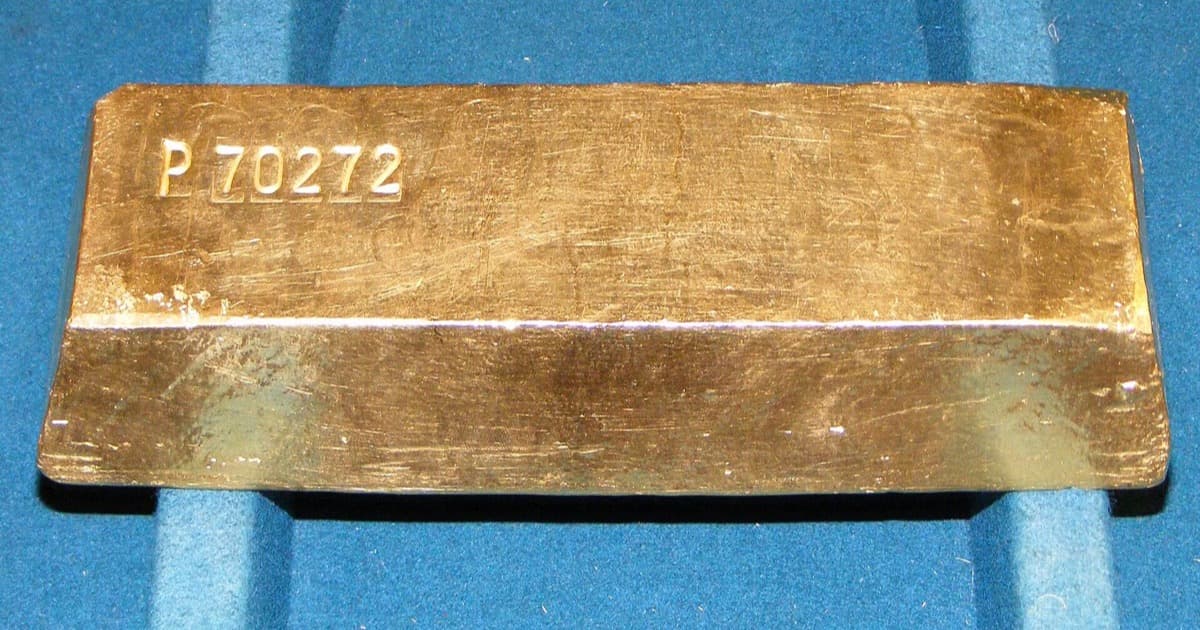
- 85 grams of gold, or
- 595 grams of silver.
A Muslim whose qualifying wealth equals or exceeds the nisab, and has held it for a full lunar year (hawl), is obliged to pay Zakat.
3. The holding period (hawl)
Wealth must be held for one full lunar year before Zakat falls due. The fatwa addresses how this applies to recurring income, salaries, and business inventory, which are treated with the flexibility established in Maliki fiqh rather than requiring each dirham to complete a separate year.
4. Zakatable assets
The ruling clarifies which categories of wealth are subject to Zakat, including:
- Cash and bank balances (savings held over the year),
- Gold and silver (whether jewelry held as savings or bullion),
- Trade goods and business inventory,
- Investments (shares, and income-producing assets),
- Agricultural produce and livestock (each with their own specific rules).
Debts that are owed by the Muslim and due for repayment reduce the zakatable base, following the Maliki position on deductible liabilities.
5. The eight categories of recipients
Drawing directly on Surah At-Tawbah (9:60), the fatwa reaffirms that Zakat may be distributed only to the eight divinely designated categories:
- The poor (fuqara'),
- The needy (masakin),
- Those employed to collect and distribute Zakat,
- Those whose hearts are to be reconciled,
- Those in bondage / to free captives,
- The debt-ridden who cannot pay,
- In the cause of Allah (fi sabil Allah), and
- The stranded traveler (ibn al-sabil).
إِنَّمَا الصَّدَقَاتُ لِلْفُقَرَاءِ وَالْمَسَاكِينِ وَالْعَامِلِينَ عَلَيْهَا وَالْمُؤَلَّفَةِ قُلُوبُهُمْ وَفِي الرِّقَابِ وَالْغَارِمِينَ وَفِي سَبِيلِ اللَّهِ وَابْنِ السَّبِيلِ ۖ فَرِيضَةً مِّنَ اللَّهِ ۗ وَاللَّهُ عَلِيمٌ حَكِيمٌ
“Zakat expenditures are only for the poor and for the needy and for those employed to collect it and for bringing hearts together and for freeing captives and for those in debt and for the cause of Allah and for the traveler, an obligation from Allah.”
Practical Guidance
- Calculate annually. Choose a consistent date each lunar year to assess your wealth.
- Use the current nisab. Because gold prices fluctuate, convert the 85g gold nisab into your currency at the day's rate. Our Zakat calculator does this using live prices.
- Pay promptly. Once due, Zakat should not be delayed without reason.
- Verify recipients. Give to eligible categories only; the ruling is strict about this.
Relation to Moroccan Practice
Morocco's religious reference is the Maliki madhab, and this fatwa consistently applies Maliki positions, for example on the treatment of agricultural produce, livestock, and deductible debts. Muslims in Morocco and the Moroccan diaspora can rely on this ruling as the authoritative national reference for Zakat al-Mal.
Official sources
For the full, authoritative text, consult the official publications below. This article is an educational summary and was not issued by the Council.