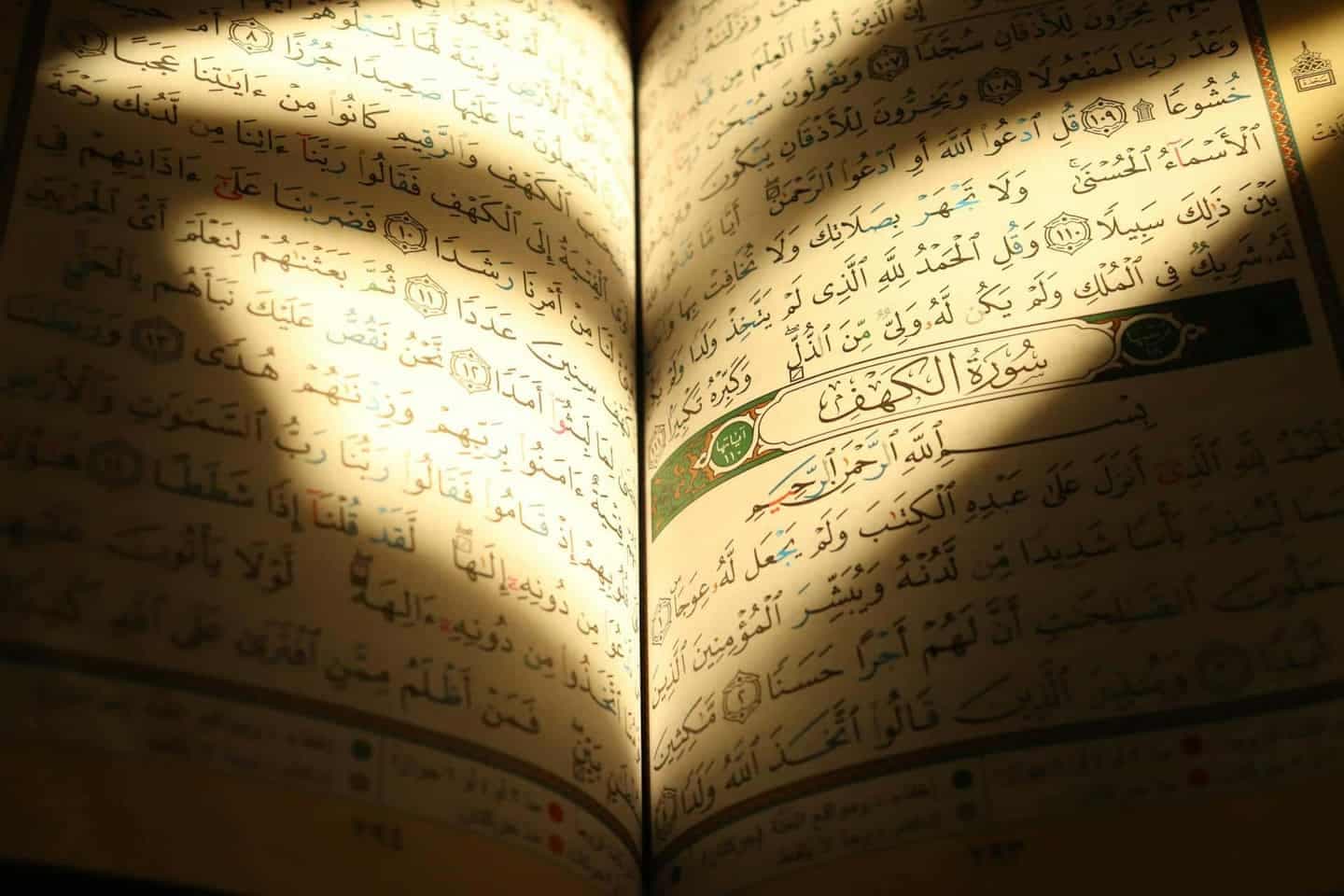
What is Tafsir?
Tafsir (تفسير) is the scholarly discipline of interpreting and explaining the meanings of the Quran. Derived from the Arabic root 'fassara' (to explain or elucidate), tafsir aims to uncover the intended meanings of Quranic verses, taking into account the Arabic language, the context of revelation (asbab al-nuzul), and the guidance of the Prophet Muhammad ﷺ and his Companions.
Throughout Islamic history, tafsir has been one of the most important sciences, serving as the foundation for understanding Allah's message to humanity. Scholars have devoted their lives to this noble pursuit, producing works that continue to guide Muslims in their daily lives and spiritual journey.
The Quranic Foundation for Tafsir
كِتَابٌ أَنزَلْنَاهُ إِلَيْكَ مُبَارَكٌ لِّيَدَّبَّرُوا آيَاتِهِ وَلِيَتَذَكَّرَ أُولُو الْأَلْبَابِ
“This is a blessed Book which We have revealed to you, so that they may reflect upon its verses, and that those of understanding may take heed.”
The Meaning and Scope of Tafsir
In Islamic scholarship, tafsir refers to the systematic explanation of the Quran. It involves clarifying the meaning of verses, explaining legal rulings, narrating historical context, and drawing spiritual lessons. A mufassir (commentator) must possess knowledge of Arabic grammar, the Sunnah, the opinions of the Companions, and the principles of jurisprudence.
Key Aspects of Tafsir
- Linguistic analysis: understanding the Arabic vocabulary, grammar, and rhetorical devices used in the Quran.
- Context of revelation (Asbab al-Nuzul): knowing the circumstances in which specific verses were revealed.
- Abrogation (Nasikh wa Mansukh): identifying verses that were abrogated and those that remain in effect.
- Legal rulings (Ahkam): extracting the practical laws and guidance embedded in Quranic verses.
Types of Tafsir
Islamic scholars have traditionally classified tafsir into two main categories, each with its own methodology and strengths.
Tafsir bil-Riwaya (By Narration)
Also known as Tafsir bil-Ma'thur, this approach interprets the Quran using the Quran itself, the Hadith of the Prophet ﷺ, the statements of the Companions (Sahaba), and the early followers (Tabi'in). It is considered the most authentic method. Notable works include Tafsir al-Tabari and Tafsir Ibn Kathir.
Tafsir bil-Diraya (By Reasoning)
Also called Tafsir bil-Ra'y, this approach relies on scholarly reasoning, linguistic analysis, and intellectual deduction while remaining grounded in Islamic principles. Scholars using this method must have deep knowledge of Arabic, Islamic law, and theology. Notable works include Tafsir al-Razi and Tafsir al-Kashshaf by Al-Zamakhshari.
Key Scholars of Tafsir
Throughout Islamic history, numerous scholars have dedicated their lives to explaining the Quran. Here are some of the most influential mufassirun (Quran commentators).
- Imam al-Tabari (d. 310 AH / 923 CE)
Author of 'Jami' al-Bayan', one of the earliest and most comprehensive tafsir works. His methodology combined narration-based interpretation with linguistic analysis.
- Imam al-Qurtubi (d. 671 AH / 1273 CE)
A Maliki scholar who wrote 'Al-Jami' li-Ahkam al-Quran', renowned for its focus on legal rulings derived from Quranic verses.
- Ibn Kathir (d. 774 AH / 1373 CE)
His 'Tafsir al-Quran al-Azim' is one of the most widely read tafsirs, known for its reliance on hadith and clear, accessible language.
- Al-Zamakhshari (d. 538 AH / 1144 CE)
Author of 'Al-Kashshaf', celebrated for its deep linguistic and rhetorical analysis of the Quran.
- Imam al-Suyuti (d. 911 AH / 1505 CE)
Co-author of 'Tafsir al-Jalalayn' and author of 'Al-Itqan fi Ulum al-Quran', a foundational text on Quranic sciences.
How to Begin Studying Tafsir
For those seeking to deepen their understanding of the Quran through tafsir, scholars recommend a structured approach.
Recommended Steps
- Begin with a strong foundation in Arabic language, especially grammar (nahw) and morphology (sarf).
- Study the sciences of the Quran (Ulum al-Quran) to understand the principles of interpretation.
- Start with accessible tafsir works like Tafsir al-Jalalayn or Tafsir al-Sa'di for a clear overview.
- Progress to comprehensive works like Tafsir Ibn Kathir for narration-based understanding.
- Seek guidance from qualified scholars and attend study circles (halaqat) for deeper learning.
Why Tafsir Matters
Understanding tafsir is essential for every Muslim who seeks a deeper relationship with the Quran and wishes to apply its guidance in daily life.
- Prevents misinterpretation: tafsir provides the scholarly framework to understand verses in their proper context.
- Unlocks deeper meanings: beyond literal translation, tafsir reveals the wisdom, lessons, and spiritual depth of the Quran.
- Connects to the Prophetic tradition: tafsir links Quranic verses to the Sunnah, showing how the Prophet ﷺ applied and explained them.
- Strengthens faith: studying the Quran through tafsir deepens one's awe of Allah's words and enriches worship.
Frequently Asked Questions
Translation converts Quranic text into another language word by word, while tafsir provides a deeper scholarly explanation of the meanings, context, legal rulings, and wisdom behind the verses. A translation cannot capture the full depth of the Quran, which is why tafsir is essential.