Why Fajr Prayer Holds a Special Place in Islam
Fajr prayer, the first of the five daily obligatory prayers, is performed at dawn before the sun rises. It is a prayer that carries immense spiritual weight and serves as a foundation for a productive and blessed day. The Prophet Muhammad (peace be upon him) emphasized its importance in numerous hadiths, making it clear that this early morning act of worship distinguishes the committed believer.
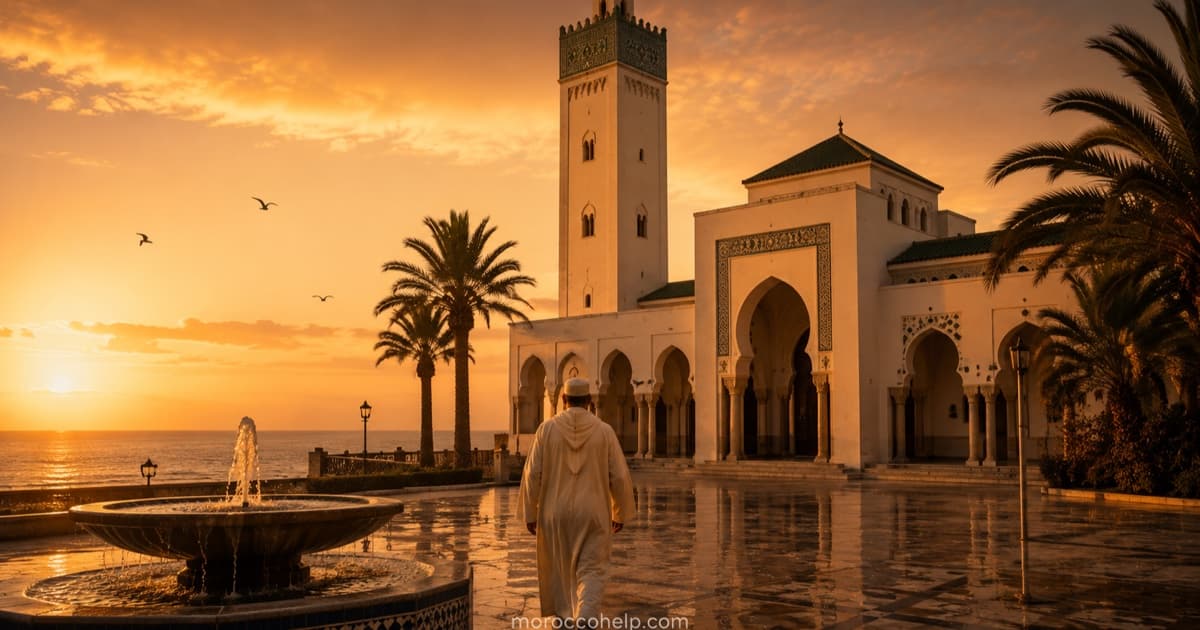
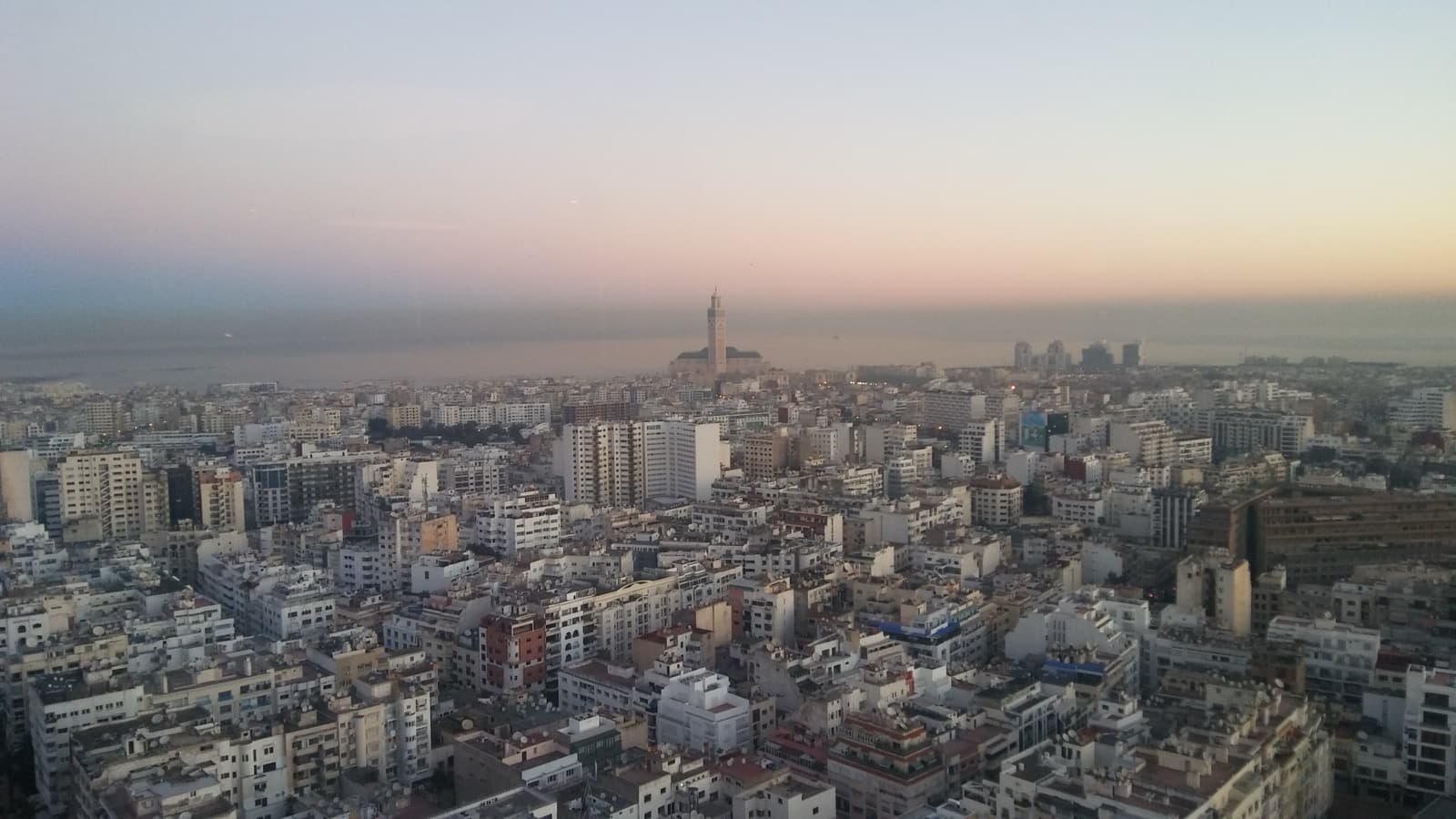
In Morocco, where the adhan echoes through ancient medinas and modern cities alike, the call to Fajr is a daily reminder of the devotion that has shaped this nation for centuries. Whether you are in Casablanca, Marrakech, Fez, or a small village in the Atlas Mountains, the Fajr prayer connects you to a tradition that stretches back over 1,400 years.
The Spiritual Rewards of Fajr Prayer
Protection Under Allah's Care
The Prophet Muhammad (peace be upon him) said: "Whoever prays the Fajr prayer is under the protection of Allah" (Muslim). This hadith alone illustrates the extraordinary status of this prayer. By waking up before dawn and standing before Allah, you place yourself under divine protection for the entire day.
Light on the Day of Judgment
According to a hadith narrated by Abu Dawud, those who walk to the mosque in darkness for Fajr and Isha prayers will be granted complete light on the Day of Judgment. This is a promise of guidance and illumination that extends beyond this worldly life into the hereafter.
Superiority Over the World and Its Contents
The Prophet (peace be upon him) stated: "The two rak'ahs of Fajr are better than the world and everything in it" (Muslim). This remarkable statement highlights that even the two sunnah rak'ahs before the obligatory Fajr prayer hold a value that surpasses all material wealth combined.
A Witness to Your Faith
Allah says in the Quran:
أَقِمِ الصَّلَاةَ لِدُلُوكِ الشَّمْسِ إِلَىٰ غَسَقِ اللَّيْلِ وَقُرْآنَ الْفَجْرِ ۖ إِنَّ قُرْآنَ الْفَجْرِ كَانَ مَشْهُودًا
“Establish prayer at the decline of the sun until the darkness of the night and the Quran at dawn. Indeed, the recitation at dawn is ever witnessed.”
Scholars explain that the angels of the night and the angels of the day are both present during Fajr, witnessing the prayer and reporting it to Allah.
Physical and Mental Health Benefits
Regulating Your Sleep Cycle
Waking up for Fajr naturally encourages an early bedtime and an early rise, aligning with what modern science considers an optimal circadian rhythm. Research consistently shows that early risers tend to have better mental health, more consistent energy levels, and improved cognitive function throughout the day.
The Power of Early Morning Hours
The hours after Fajr are considered among the most blessed times of the day. The Prophet (peace be upon him) made dua: "O Allah, bless my Ummah in their early mornings" (Tirmidhi). Many successful Muslims throughout history have used the post-Fajr hours for Quran recitation, study, reflection, and planning. In Morocco, it is common for students of Islamic knowledge to begin their memorization sessions immediately after Fajr, taking advantage of the fresh and focused mind.
Reduced Stress and Anxiety
Beginning the day with prayer, dhikr (remembrance of Allah), and quiet reflection creates a buffer of calm before the demands of daily life set in. Studies in psychology have shown that morning routines involving meditation and mindfulness significantly reduce cortisol levels, the hormone associated with stress. Fajr prayer, combined with morning adhkar, serves as the ultimate mindful practice.
Practical Tips for Waking Up for Fajr
Prepare the Night Before
Go to sleep early and with the intention of waking up for Fajr. The Prophet (peace be upon him) disliked sleeping before Isha and talking after it, encouraging a lifestyle that naturally supports waking at dawn. Avoid screens and heavy meals close to bedtime.
Use Multiple Alarms
Place your alarm or phone away from your bed so you must physically get up to turn it off. Many Muslims in Morocco use the MoroccoHelp prayer times feature to set accurate Fajr alerts based on their exact city.
Make Wudu Before Sleeping
Sleeping in a state of wudu is a sunnah of the Prophet (peace be upon him) and is believed to help one wake up for Fajr. It also means that if you do wake up, you are immediately ready to pray, removing one barrier to getting out of bed.
Find an Accountability Partner
Encourage a family member, friend, or spouse to wake up with you. In Moroccan households, it is common for family members to gently wake each other for Fajr, fostering a culture of mutual spiritual support.
Make Dua Before Sleeping
Recite the recommended supplications before sleep, including asking Allah to help you wake up for Fajr. Sincere intention combined with practical steps is the most effective approach.
Fajr Prayer Times in Morocco
Morocco's geographic position means that Fajr times vary significantly throughout the year. In winter months, Fajr may be as late as 6:30 AM in some cities, while in summer it can be as early as 3:30 AM. It is essential to use an accurate prayer times resource that accounts for your specific location.
MoroccoHelp provides precise, city-specific Fajr times updated daily, ensuring you never miss this blessed prayer regardless of the season.
Conclusion
Fajr prayer is far more than an obligation; it is an opportunity. An opportunity to start your day with purpose, to earn Allah's protection, to align your body and mind with a healthy rhythm, and to stand among those whom the Prophet (peace be upon him) praised as true believers. Whether you are already consistent with Fajr or striving to improve, every effort you make to answer the call of dawn is seen and rewarded by Allah. Begin tomorrow morning, and let Fajr transform your days.