Zakat al-Fitr in Morocco: Amount, Timing and Ruling
Zakat al-Fitr (the "charity of fast-breaking") is the special charity owed at the end of Ramadan by every Muslim. It is distinct from Zakat al-Mal: it is a fixed amount per person (not a percentage of wealth), and its purpose is to purify the fasting person and let the poor share in the joy of Eid.
For 1447 AH / 2026, Morocco's Supreme Council of Scholars set the amount at 25 MAD per person. This article summarizes the ruling; see the official source for the authoritative text.
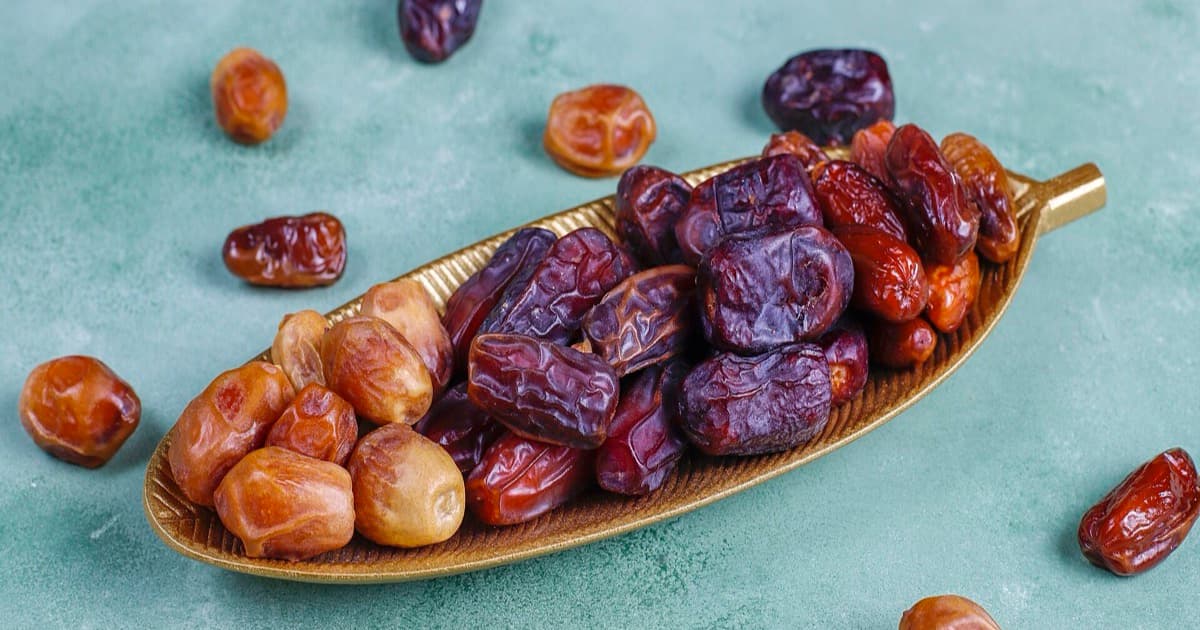
"The Messenger of Allah (peace be upon him) enjoined Zakat al-Fitr, a Sa' of dates or a Sa' of barley, upon every Muslim, free or slave, male or female, and ordered that it be paid before the people go out to the [Eid] prayer." — (Bukhari & Muslim)
The amount and its basis
The original measure is the Sa', a Prophetic unit of volume equal to about 2.5 kg of the local staple food (wheat, barley, dates, raisins, or, in Maliki practice, the staple grain of the land). The Council converts this measure into its cash equivalent so that it is practical to pay and useful to receive:
- 1447 AH / 2026, 25 MAD per person
- 1446 AH / 2025, 23 MAD
- 1445 AH / 2024, 20 MAD
The amount is reviewed each year to reflect the price of the staple food.
Who must pay
Every Muslim owes one Fitr for themselves, including:
- adults and children,
- men and women,
- the head of household, who pays additionally on behalf of every dependant (spouse, children, and any Muslim in their care).
A child born before sunset on the last day of Ramadan is included; one born after sunset is not.
When it is due
Zakat al-Fitr becomes obligatory at sunset on the last day of Ramadan, and must be paid before the Eid al-Fitr prayer. It may be paid a day or two earlier to allow for distribution, but delaying it past the Eid prayer is disliked (makruh) and, in Maliki fiqh, remains a debt owed until discharged.
The timing carries the ruling's wisdom: the poor should receive it in time to prepare for the feast, so that the day of Eid is truly a day of joy for everyone.
Food or cash?
The original form is food, a Sa' of grain. As is well established in Maliki fiqh and confirmed by the Council, it may equally be given as its cash equivalent, since money is often more useful to today's recipients (who can buy exactly what their family needs). The common Moroccan practice is to pay in dirhams.
The eight categories
Like Zakat al-Mal, Zakat al-Fitr is distributed to the eight categories named in Surah At-Tawbah (9:60), beginning with the poor and the needy. In practice it is most often given to the poor so that they may celebrate Eid.
Practical steps
- Count everyone in your household for whom you provide.
- Multiply by the current per-person amount (25 MAD for 1447/2026).
- Pay before Eid prayer, to a trustworthy distributor, mosque committee, or directly to a needy family.
- Use our Zakat al-Fitr calculator to compute the total for your household.
Official sources
For the authoritative annual text, consult the official publications below. This article is an educational summary and was not issued by the Council.