The First 10 Days of Dhul Hijja 2026: Virtues & Recommended Acts
If Ramadan is the month of the year, then the first ten days of Dhul Hijja are the days of the year. These ten days, which include the Day of Arafah and culminate in Eid al-Adha, are described in the Quran and authentic Sunnah as the most virtuous days on earth for worship and righteous deeds.
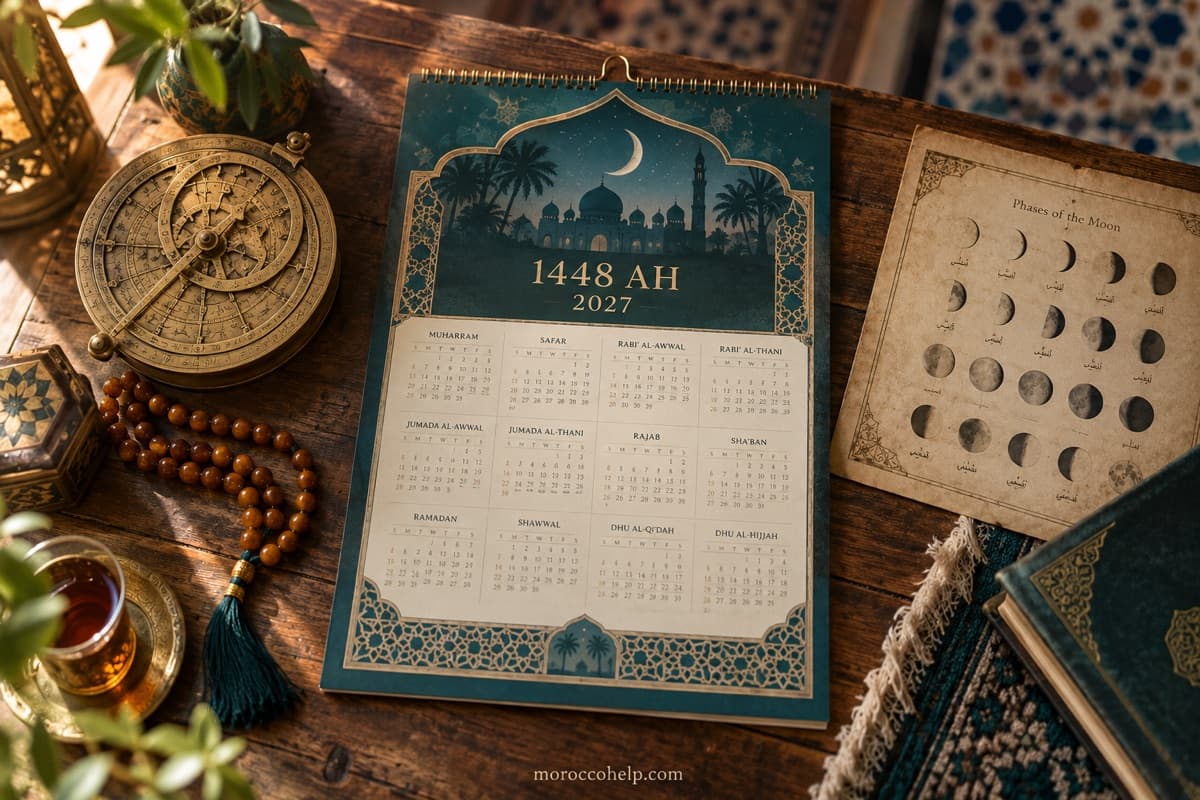
In 2026, this extraordinary window of spiritual opportunity begins on May 18, 2026 (confirmed by Morocco's Ministry of Habous), leading up to Eid al-Adha on May 27, 2026. Every Muslim, whether performing Hajj or not, can participate in the immense rewards of these blessed days.
The Quranic Evidence: Allah Swears by These Days
Allah (SWT) Himself swears an oath by these ten days in Surah Al-Fajr:
“By the dawn, and by the ten nights...”
The scholars of Quranic exegesis, including Ibn Abbas, Ibn Kathir, and the majority of the mufassirun, identify "the ten nights" as the first ten nights of Dhul Hijja. When Allah swears by something in His creation, it is an indication of its immense significance. This oath alone elevates these days above all others.
The Hadith Evidence: Best Days in the World
The Prophet Muhammad (PBUH) stated explicitly:
"There are no days in which righteous deeds are more beloved to Allah than these ten days." The companions asked, "Not even jihad in the path of Allah?" He said, "Not even jihad in the path of Allah, except for a man who goes out with his wealth and himself and does not return with any of it."* — (Bukhari)
This hadith is staggering in its scope. The Prophet (PBUH) placed righteous deeds during these ten days above even the highest acts of sacrifice, a clear signal that every moment of worship, dhikr, fasting, and charity during this period carries extraordinary weight with Allah.
When Does Dhul Hijja 2026 Begin?
Morocco's Ministry of Habous and Islamic Affairs has confirmed that Dhul Hijja 1447 AH begins on Monday, May 18, 2026. The confirmed dates are:
- Day of Arafah (9th Dhul Hijja): Tuesday, May 26, 2026
- Eid al-Adha (10th Dhul Hijja): Wednesday, May 27, 2026
These dates are now confirmed by the official moon sighting in Morocco. Use our Prayer Times tool to stay updated on Islamic dates and prayer schedules throughout this blessed month.
Recommended Acts During the First 10 Days of Dhul Hijja
1. Fasting, Especially the Day of Arafah
Fasting during the first nine days of Dhul Hijja is a highly recommended Sunnah. The Prophet (PBUH) used to fast these days. The most emphasized fast is the 9th of Dhul Hijja, the Day of Arafah, for those who are not performing Hajj:
"Fasting on the Day of Arafah, I hope from Allah, expiates the sins of the year before it and the year after it." — (Muslim)
This is a monumental mercy from Allah, one day of voluntary fasting that erases the minor sins of two full years. The Day of Arafah is arguably the single most rewarding day for voluntary fasting in the entire Islamic calendar.
Note: Those performing Hajj do not fast on the Day of Arafah, as the Prophet (PBUH) broke his fast on that day during the Farewell Pilgrimage.
2. Dhikr, Remembrance of Allah
The Prophet (PBUH) specifically commanded increased dhikr during these days:
"Increase in tahlil, takbir, and tahmid during these days." — (Ahmad)
The recommended forms of dhikr include:
Tahlil: لَا إِلَهَ إِلَّا اللَّهُ La ilaha illallah, There is no god but Allah
Takbir: اللَّهُ أَكْبَرُ Allahu Akbar, Allah is the Greatest
Tahmid: الْحَمْدُ لِلَّهِ Alhamdulillah, All praise is for Allah
Tasbih: سُبْحَانَ اللَّهِ Subhanallah, Glory be to Allah
The full Takbeer of Dhul Hijja, which is recited aloud in mosques and homes from the Fajr of the 1st of Dhul Hijja through the Asr of the 13th, is:
اللَّهُ أَكْبَرُ، اللَّهُ أَكْبَرُ، لَا إِلَهَ إِلَّا اللَّهُ، وَاللَّهُ أَكْبَرُ، اللَّهُ أَكْبَرُ، وَلِلَّهِ الْحَمْدُ
Allahu Akbar, Allahu Akbar, La ilaha illallah, Wallahu Akbar, Allahu Akbar, Walillahil Hamd
Ibn Umar and Abu Hurayrah (RA) would go to the market during the first ten days of Dhul Hijja and make takbir aloud, and the people around them would make takbir with them, a tradition that kept the streets of Madinah vibrant with the remembrance of Allah.
3. Recitation of the Quran
These days are an ideal time to increase your engagement with the Quran, reading, reflecting, memorizing, and listening. Set a daily target: even a single page with contemplation is rewarding. For those working on completing the Quran, the first ten days of Dhul Hijja offer a beautiful opportunity.
Recite with the intention of seeking closeness to Allah, and pause to reflect on ayat that speak of His magnificence, His mercy, and the stories of the prophets.
4. Charity and Generosity
Giving sadaqah (voluntary charity) during these days is especially meritorious. The Prophet (PBUH) said:
"The best charity is that given in Ramadan." — (Tirmidhi)
While Ramadan is the month of charity, the first ten days of Dhul Hijja are the best days of charity, and the two reinforce each other in their multiplied rewards. Even a small amount given sincerely during these days is magnified in the sight of Allah.
Consider donating to local food banks, sponsoring an orphan's meal, or contributing to a well-construction project in a water-scarce community. Every dirham given with sincerity is written in your scale of good deeds.
5. Night Prayers (Qiyam al-Layl)
The nights of the first ten days of Dhul Hijja are among the most blessed nights of the year. Offering voluntary prayers after Isha, even two rak'ahs of tahajjud with sincere dua, is a powerful way to draw closer to Allah during this extraordinary window.
The Prophet (PBUH) said:
"The best prayer after the obligatory prayers is the night prayer." — (Muslim)
Combine your tahajjud with lengthy prostrations (sujood) and heartfelt supplications. The last third of the night is when Allah descends (in a manner befitting His majesty) and asks: "Who is calling on Me, so that I may answer him? Who is asking of Me, so that I may give to him? Who is seeking My forgiveness, so that I may forgive him?" — (Bukhari and Muslim)
6. Avoiding Sins and Seeking Repentance
Just as good deeds are magnified in blessed times, so too the potential regret of sins committed in them is greater. These ten days are an occasion to make sincere tawbah (repentance), returning to Allah with remorse, commitment to stop the sin, and determination to make amends where possible.
The Prophet (PBUH) said:
"All the children of Adam are sinners, and the best of the sinners are those who repent." — (Ibn Majah)
7. Refraining from Hair and Nail Cutting (for Those Offering Udhiya)
The Prophet (PBUH) said:
"Whoever intends to offer a sacrifice, then when the new moon of Dhul Hijja appears, let him not cut his hair or nails until he has offered his sacrifice." — (Muslim)
Those who intend to perform the udhiya (sacrifice on Eid al-Adha) should refrain from cutting their hair, beard, or nails from the 1st of Dhul Hijja until after the sacrifice is performed. This is a Sunnah, not obligatory, but it connects those not performing Hajj to the spirit of the pilgrimage.
The Day of Arafah: The Crown of the Ten Days
The 9th of Dhul Hijja, the Day of Arafah, is the spiritual summit of the entire Islamic year. It is the day on which the pilgrims stand on the plain of Arafah in one of the most powerful acts of worship in Islam. The Prophet (PBUH) said:
"Hajj is Arafah." — (Tirmidhi)
For those not performing Hajj, the Day of Arafah is commemorated by:
- Fasting (as described above, expiates two years of minor sins)
- Abundant dua and dhikr throughout the day
- Istighfar (seeking forgiveness) with sincerity and humility
Allah boasts to the angels of the pilgrims and those fasting on Arafah on this day, saying (according to authentic hadith) that He has forgiven them. It is a day of mercy unlike any other.
The Connection to Hajj
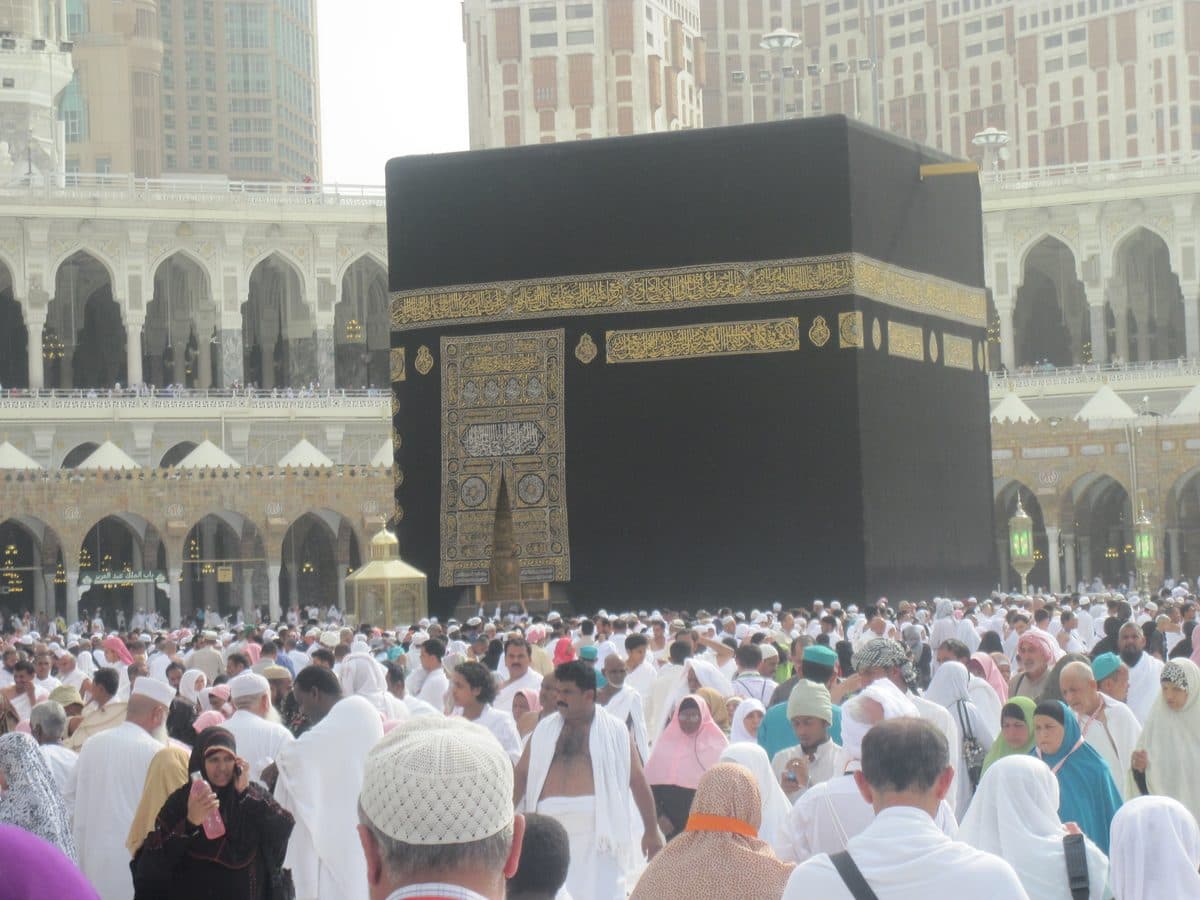
The first ten days of Dhul Hijja are inseparable from the pilgrimage of Hajj, the Fifth Pillar of Islam. While millions of pilgrims travel to Mecca for Tawaf, Sa'i, the standing at Arafah, the stoning at Mina, and the sacrifice, those remaining at home are invited to participate in this global act of worship through their own devotion.
The Prophet (PBUH) created this connection deliberately, so that no Muslim, regardless of whether they can afford Hajj, is excluded from the immense spiritual rewards of Dhul Hijja.
Conclusion: Make the Most of These 10 Days
The first ten days of Dhul Hijja 2026 will pass quickly. In the grand journey of a Muslim's life, these ten days are a concentrated pocket of divine mercy and reward that should be seized with both hands.
Start planning now:
- Mark the expected dates on your calendar
- Set daily intentions for fasting, dhikr, Quran reading, and charity
- Inform your household and encourage them to participate
- Remove unnecessary distractions and dedicate these days to worship
Allah does not ask for perfection, He asks for sincere effort. Even small acts done consistently during these blessed days are beloved to Him.
May Allah grant us life to witness the first ten days of Dhul Hijja 2026, accept our worship, forgive our sins, and grant us the barakah of this season.
Stay updated on prayer times and Islamic dates in Morocco with our Prayer Times tool.