Introduction to the Five Pillars of Islam
The Five Pillars of Islam are the foundational acts of worship and practice that define the life of every Muslim. They represent the core obligations that every able Muslim must fulfill, forming the framework upon which a life of faith, discipline, and devotion is built. The Prophet Muhammad (peace be upon him) said: "Islam is built upon five pillars: testifying that there is no god but Allah and that Muhammad is the Messenger of Allah, establishing prayer, paying Zakat, fasting in Ramadan, and performing Hajj for those who are able" (Bukhari and Muslim).
In Morocco, these five pillars are woven into the very fabric of society. From the five daily calls to prayer resonating through every city and village, to the national observance of Ramadan, to the annual Hajj departures from Moroccan airports, the pillars are not just individual acts but collective expressions of faith.
The First Pillar: Shahada (Declaration of Faith)
What Is the Shahada?
The Shahada is the declaration: "Ash-hadu an la ilaha illa Allah, wa ash-hadu anna Muhammadan rasul Allah" (I bear witness that there is no god but Allah, and I bear witness that Muhammad is the Messenger of Allah). It is the single most important statement in Islam and the gateway to the faith.
The Meaning Behind the Words
The first part of the Shahada, "La ilaha illa Allah," establishes tawhid, the absolute oneness of God. It means rejecting all false objects of worship and affirming that only Allah is worthy of devotion. The second part affirms that Prophet Muhammad (peace be upon him) is the final messenger sent by Allah to guide humanity.
Living the Shahada
The Shahada is not merely a verbal declaration. It requires sincere belief in the heart, confirmation with the tongue, and demonstration through actions. Every act of worship in Islam flows from this foundational testimony. In Morocco, the Shahada is the first thing whispered into a newborn's ear and the last words a Muslim strives to utter before passing from this world.
The Second Pillar: Salah (Prayer)
The Obligation of Five Daily Prayers
Salah is the second pillar and the most regular act of worship, performed five times daily: Fajr (dawn), Dhuhr (midday), Asr (afternoon), Maghrib (sunset), and Isha (night). It was prescribed during the Prophet's miraculous night journey (Isra and Mi'raj) and is the first act a person will be questioned about on the Day of Judgment.
How Prayer is Practiced in Morocco
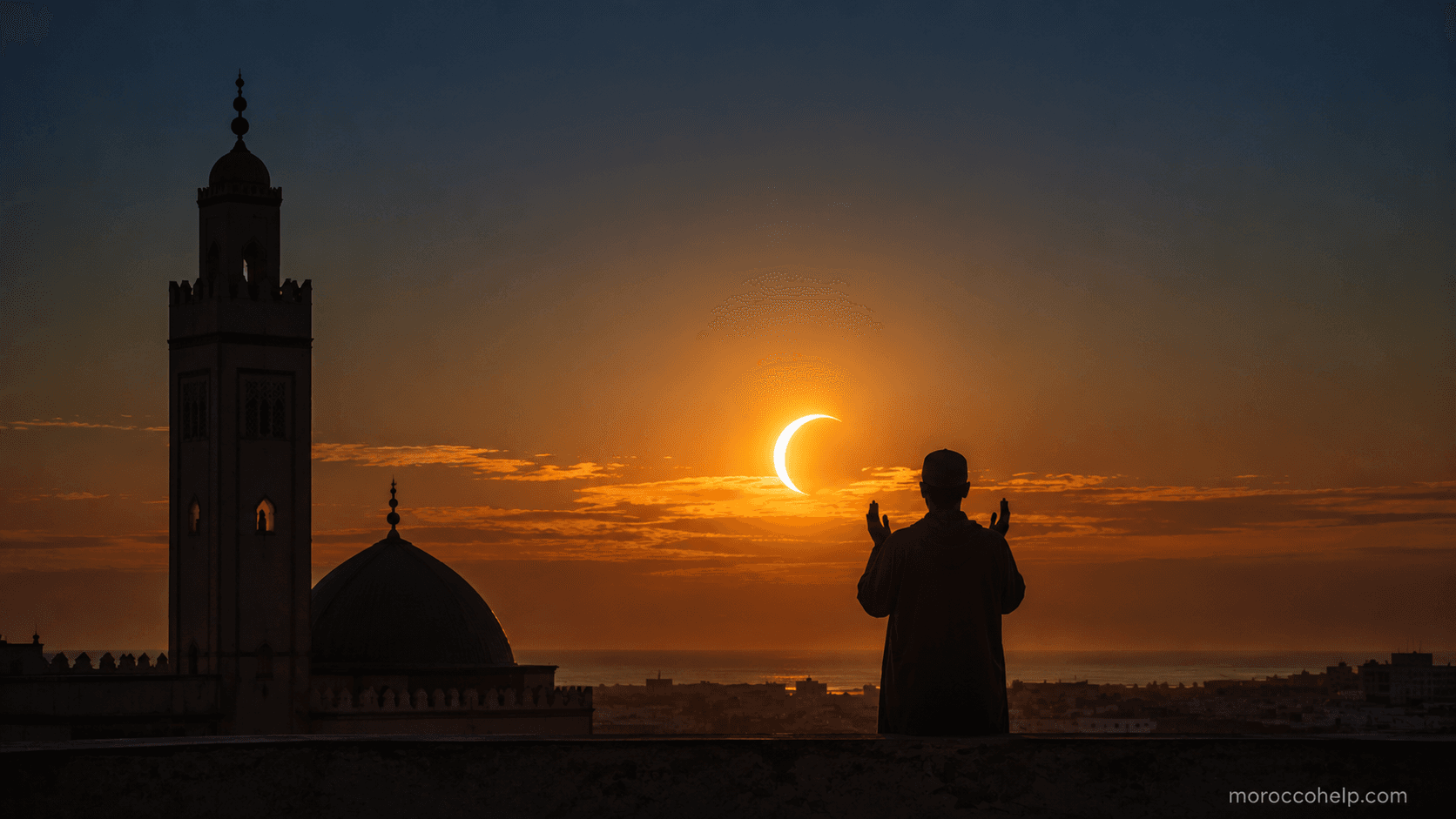
Morocco's landscape is defined by its mosques. The Hassan II Mosque in Casablanca, with its towering minaret and ocean-side location, is one of the largest in the world. But the thousands of neighborhood mosques across the country are where the daily rhythm of salah truly lives. Moroccan Muslims are known for their dedication to congregational prayer, with shops and businesses pausing during prayer times.
The Spiritual Purpose of Salah
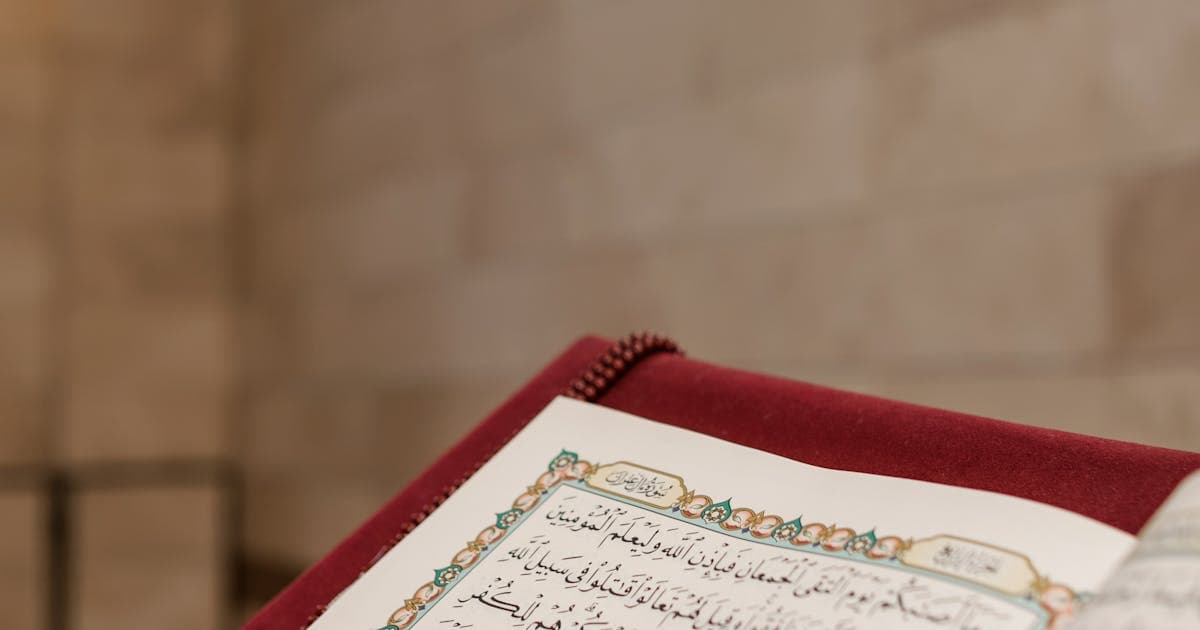
Salah is a direct conversation between the worshiper and Allah. It serves as a regular reminder of one's purpose, a moment of humility and gratitude, and a discipline that structures the entire day around the remembrance of God. Allah says:
إِنَّ الصَّلَاةَ تَنْهَىٰ عَنِ الْفَحْشَاءِ وَالْمُنكَرِ ۗ وَلَذِكْرُ اللَّهِ أَكْبَرُ
“Indeed, prayer prohibits immorality and wrongdoing, and the remembrance of Allah is greater.”
The Third Pillar: Zakat (Obligatory Charity)
Understanding Zakat
Zakat is the obligatory giving of 2.5% of one's qualifying wealth annually to designated categories of recipients. It is not merely charity but a right that the poor and needy have over the wealth of those who are financially able. The word "Zakat" itself means "purification," indicating that giving purifies both the wealth and the soul of the giver.
Who Must Pay Zakat?
Every Muslim whose wealth exceeds the nisab threshold (equivalent to 85 grams of gold or 595 grams of silver) and who has held that wealth for one lunar year must pay Zakat. This includes cash savings, gold, silver, business inventory, and certain investments.
The Eight Categories of Zakat Recipients
The Quran specifies eight categories of people eligible to receive Zakat (Quran 9:60): the poor (al-fuqara), the needy (al-masakin), Zakat administrators, those whose hearts are to be reconciled, freeing of captives, those in debt, in the cause of Allah, and the stranded traveler.
Zakat in Moroccan Society
In Morocco, Zakat plays a vital role in social welfare, particularly during Ramadan when many Muslims choose to calculate and distribute their annual Zakat. Local mosques, charitable organizations, and community leaders help facilitate the distribution to ensure it reaches those most in need.
The Fourth Pillar: Sawm (Fasting in Ramadan)
The Month of Ramadan
Fasting during the month of Ramadan is obligatory for every adult Muslim who is healthy and able. From dawn (Fajr) to sunset (Maghrib), Muslims abstain from food, drink, and other physical needs. But Ramadan is about far more than physical abstention; it is a month of spiritual renewal, increased worship, Quran recitation, and generosity.
The Deeper Purpose of Fasting
Allah says:
يَا أَيُّهَا الَّذِينَ آمَنُوا كُتِبَ عَلَيْكُمُ الصِّيَامُ كَمَا كُتِبَ عَلَى الَّذِينَ مِن قَبْلِكُمْ لَعَلَّكُمْ تَتَّقُونَ
“O you who believe, fasting has been prescribed for you as it was prescribed for those before you, so that you may attain taqwa (God-consciousness).”
Fasting teaches patience, self-discipline, empathy for the less fortunate, and gratitude for Allah's blessings.
Ramadan in Morocco
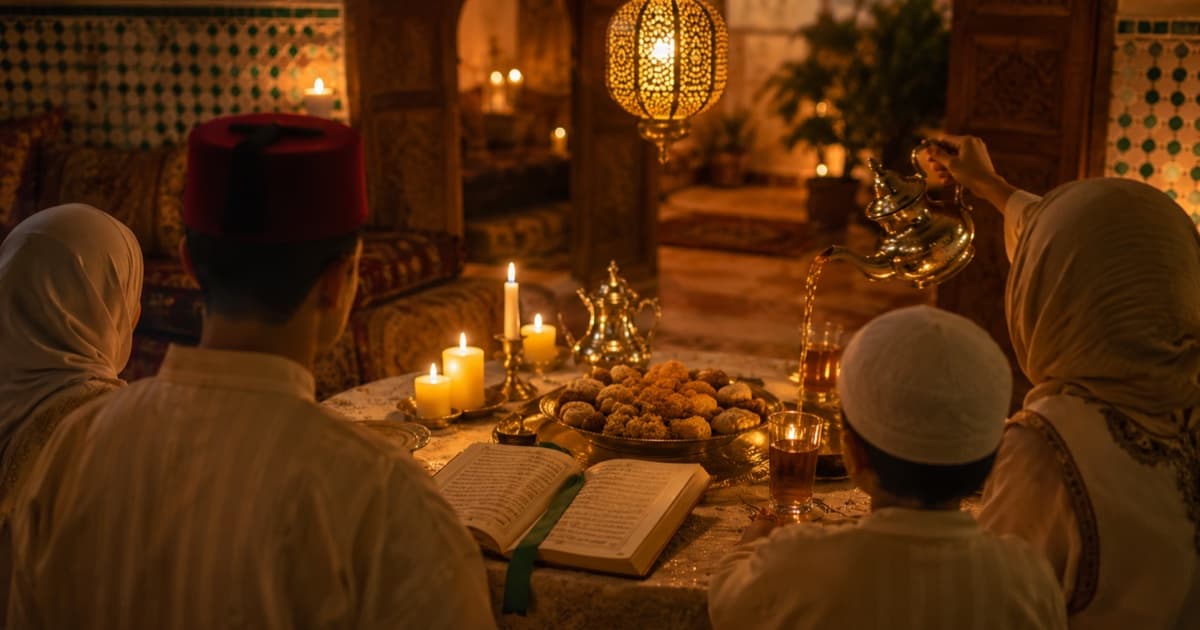
Ramadan transforms Morocco entirely. The daily rhythm shifts as families gather for iftar (the meal to break the fast), mosques fill for Taraweeh prayers, and the streets come alive after dark. Traditional Moroccan iftar tables feature harira soup, dates, chebakia, and msemen. The communal spirit of Ramadan is one of the most beautiful aspects of Moroccan culture, with neighbors sharing food and communities coming together in worship.
The Fifth Pillar: Hajj (Pilgrimage to Makkah)
The Obligation of Hajj
Hajj is the annual Islamic pilgrimage to Makkah, Saudi Arabia, and is obligatory once in a lifetime for every Muslim who is physically and financially able to undertake it. It takes place during the month of Dhul Hijjah, the twelfth month of the Islamic calendar.
The Rites of Hajj
The pilgrimage includes circling the Kaaba (Tawaf), walking between the hills of Safa and Marwa (Sa'i), standing at the plain of Arafat, and symbolic stoning of the devil at Mina. These rites trace back to the actions of Prophet Ibrahim (Abraham) and his family, connecting every pilgrim to the ancient origins of monotheistic worship.
The Significance of Hajj
Hajj is the ultimate act of submission to Allah. Pilgrims wear simple white garments (ihram), stripping away all markers of social status, wealth, and nationality. It is a powerful reminder that before Allah, all people are equal. The Prophet (peace be upon him) said: "Whoever performs Hajj and does not commit any obscenity or transgression shall return free of sin, like the day their mother bore them" (Bukhari).
Hajj and Moroccan Pilgrims
Every year, tens of thousands of Moroccan Muslims make the journey to Makkah. The Moroccan government organizes official Hajj delegations, and families celebrate the departure and return of pilgrims with great joy. Returning pilgrims are honored with the title "Hajj" or "Hajja" and often host gatherings to share their experience with the community.
The Pillars as a Complete System
The beauty of the Five Pillars is that they address every dimension of human life. The Shahada grounds the intellect and heart in truth. Salah provides daily spiritual nourishment and discipline. Zakat ensures social responsibility and economic justice. Sawm builds character and empathy. Hajj unites the global Muslim community in a shared act of devotion. Together, they form a complete and balanced system of worship that nurtures the individual and strengthens the community.
Conclusion
The Five Pillars of Islam are not merely rituals to be performed mechanically. They are living, transformative practices that connect the believer to Allah, to the Muslim community, and to the prophetic tradition. For Muslims in Morocco and around the world, these pillars provide structure, purpose, and a path to spiritual growth. Understanding them deeply and practicing them sincerely is the lifelong journey of every Muslim.