What is the Hijri Calendar?
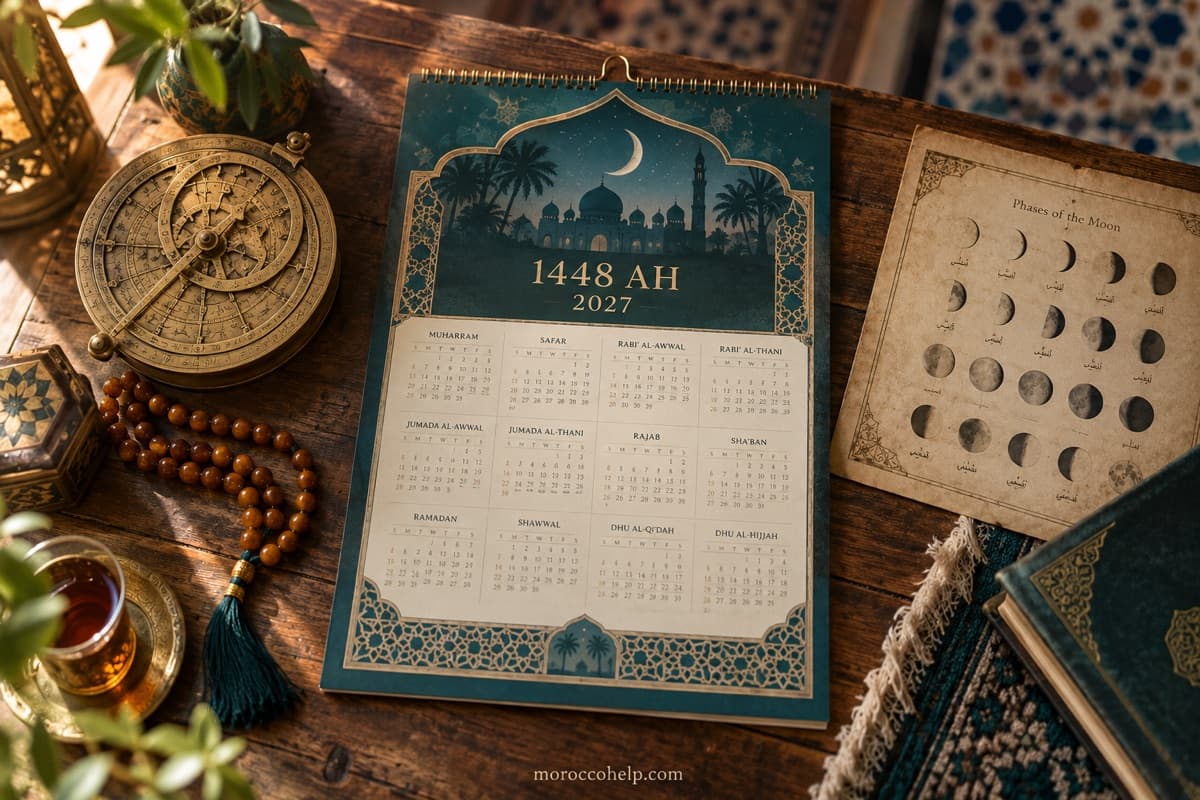
The Hijri calendar (التقويم الهجري) is the Islamic lunar calendar used by Muslims worldwide. It began with the migration (Hijra) of Prophet Muhammad (peace be upon him) from Mecca to Medina in 622 CE.
The 12 Islamic Months
| # | Month | Arabic | Significance |
|---|---|---|---|
| 1 | Muharram | محرّم | Sacred month, includes Ashura (10th) |
| 2 | Safar | صفر | , |
| 3 | Rabi al-Awwal | ربيع الأول | Birth of Prophet Muhammad ﷺ (12th) |
| 4 | Rabi al-Thani | ربيع الثاني | , |
| 5 | Jumada al-Ula | جمادى الأولى | , |
| 6 | Jumada al-Thania | جمادى الثانية | , |
| 7 | Rajab | رجب | Sacred month, Isra and Mi'raj (27th) |
| 8 | Sha'ban | شعبان | Night of Mid-Sha'ban (15th) |
| 9 | Ramadan | رمضان | Month of fasting, Laylat al-Qadr |
| 10 | Shawwal | شوّال | Eid al-Fitr (1st), six days of fasting |
| 11 | Dhul Qi'dah | ذو القعدة | Sacred month |
| 12 | Dhul Hijjah | ذو الحجة | Sacred month, Hajj (8-12th), Eid al-Adha (10th) |
Key Differences from the Gregorian Calendar
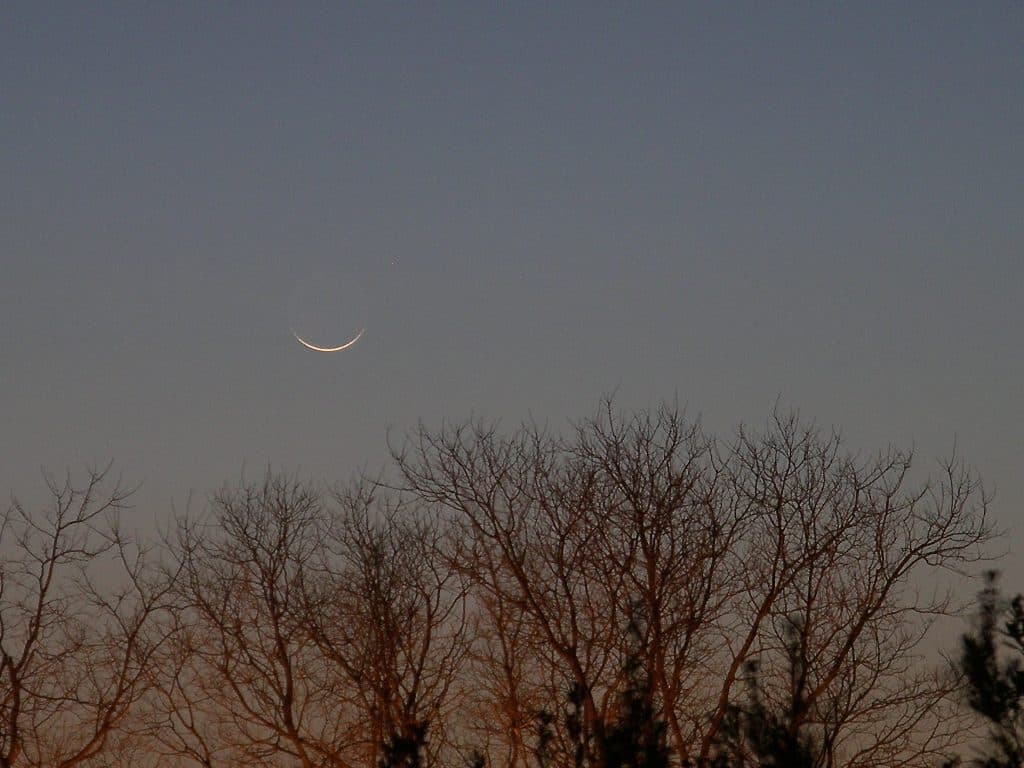
- Lunar-based: Each month begins with the sighting of the new crescent moon
- Shorter year: ~354 days (vs. 365 in Gregorian)
- Shifts annually: Islamic dates move approximately 11 days earlier each Gregorian year
- Month length: Alternates between 29 and 30 days
Significant Islamic Dates
Muharram, Islamic New Year
- The first month of the Islamic year
- Ashura (10th Muharram): Day of fasting, commemorating various prophetic events
- The Prophet ﷺ said about Ashura fasting: "It expiates the sins of the previous year.", Sahih Muslim
Rabi al-Awwal, The Prophet's Birthday
- 12th Rabi al-Awwal: Celebrated as Mawlid an-Nabi in Morocco
- Morocco observes this as a national holiday
- Mosques hold special gatherings and recitations
Rajab, Isra and Mi'raj
- 27th Rajab: Commemorates the Prophet's night journey and ascension
- Special prayers and gatherings in Moroccan mosques
Ramadan, The Month of Fasting
- The most significant month for Muslims
- Obligatory fasting from dawn to sunset
- Increased worship, Quran recitation, and charity
- Laylat al-Qadr in the last 10 nights
Dhul Hijjah, The Month of Hajj
- 8-12th: Days of Hajj pilgrimage
- 9th (Day of Arafah): Best day for fasting for non-pilgrims
- 10th: Eid al-Adha
- 11-13th: Days of Tashreeq
The Hijri Calendar in Morocco
Morocco officially uses both the Hijri and Gregorian calendars:
- Government documents use Gregorian dates primarily
- Religious occasions follow the Hijri calendar
- Moon sighting is confirmed by the Ministry of Habous and Islamic Affairs
- National holidays include Eid al-Fitr, Eid al-Adha, and Mawlid an-Nabi
Why the Hijri Calendar Matters
The Hijri calendar is essential for:
- Prayer times: Fajr and Maghrib are tied to solar positions, but religious occasions follow lunar dates
- Ramadan: Knowing when Ramadan begins and ends
- Hajj: Pilgrimage dates are fixed in the Hijri calendar
- Zakat: The Hawl (one lunar year) determines when Zakat is due
- Religious observances: Fasting days, celebrations, and commemorations
Our portal's interactive Hijri calendar displays the Hijri date alongside prayer times, browse any month, convert Gregorian dates, and track Islamic events to stay connected with the Islamic calendar.