Darqawi Zawiya Morocco: The Rif's Spiritual Brotherhood
Among the many Sufi orders that have shaped Morocco's spiritual landscape, the Darqawiyya holds a unique place. Born in the rugged Rif mountains of northern Morocco, this order grew from a local spiritual movement into one of the most influential Sufi brotherhoods across North Africa and beyond. The Darqawi zawiyas, spiritual lodges scattered across Morocco's mountains, cities, and countryside, remain active centers of worship, learning, and community life.
Who Was Mawlay al-Arabi al-Darqawi?
Mawlay al-Arabi al-Darqawi (1760–1823 CE), also known as Sidi al-Arabi bin al-Hussein, was born in the Rif mountains near the city of Fez. He belonged to a Sharifian family (descendants of the Prophet Muhammad, PBUH) and received a thorough Islamic education in the sciences of Sharia, Arabic, and Sufism.
After years of spiritual training under various masters of the Shadhiliyya-Jazuliyya chain, al-Darqawi received the khirqa (cloak of spiritual authorization) and began gathering disciples. His teachings emphasized:
- Spiritual poverty (faqr), stripping away attachment to worldly possessions and status
- Sincerity (ikhlas), purifying one's intentions solely for God
- Reliance on God (tawakkul), complete trust in divine providence
- Direct experience, prioritizing tasted spiritual reality (dhawq) over theoretical knowledge
Al-Darqawi's charisma and uncompromising spiritual message attracted followers from across Morocco's rural and mountain regions, and his order quickly expanded.
The Rise of the Darqawiyya Order
The Darqawiyya emerged during a turbulent period in Moroccan history, the late 18th and early 19th centuries, when the central authority (the Makhzen) was weakening and various regional powers were competing for influence. In this context, the Darqawiyya offered both spiritual sustenance and social cohesion.
The order's rapid expansion was fueled by several factors:
- A message of spiritual renewal that resonated with rural and tribal populations who felt excluded from the urban religious establishment
- A decentralized structure that allowed local zawiyas to operate with significant autonomy while maintaining spiritual connection to the founding lineage
- A network of muqaddams (local representatives) who spread the order's teachings across Morocco, into Algeria, and beyond
- Social services provided by Darqawi zawiyas, including education, charity, and conflict resolution
At its height, the Darqawiyya commanded the loyalty of hundreds of thousands of followers and posed a significant counterbalance to the authority of the Moroccan sultan.
Key Darqawi Zawiyas in Morocco
Zawiya of Fez
The Darqawi Zawiya of Fez is one of the most important centers of the order. Located in or near the old medina, it served as a hub for Darqawi disciples in Morocco's spiritual capital. Fez was where al-Darqawi himself studied and where many of his most influential disciples were trained.
Zawiyas of the Rif Mountains
The Rif mountains of northern Morocco are the spiritual birthplace of the Darqawiyya. Several zawiyas in this region trace their founding directly to al-Darqawi or his earliest disciples. These mountain zawiyas are characterized by:
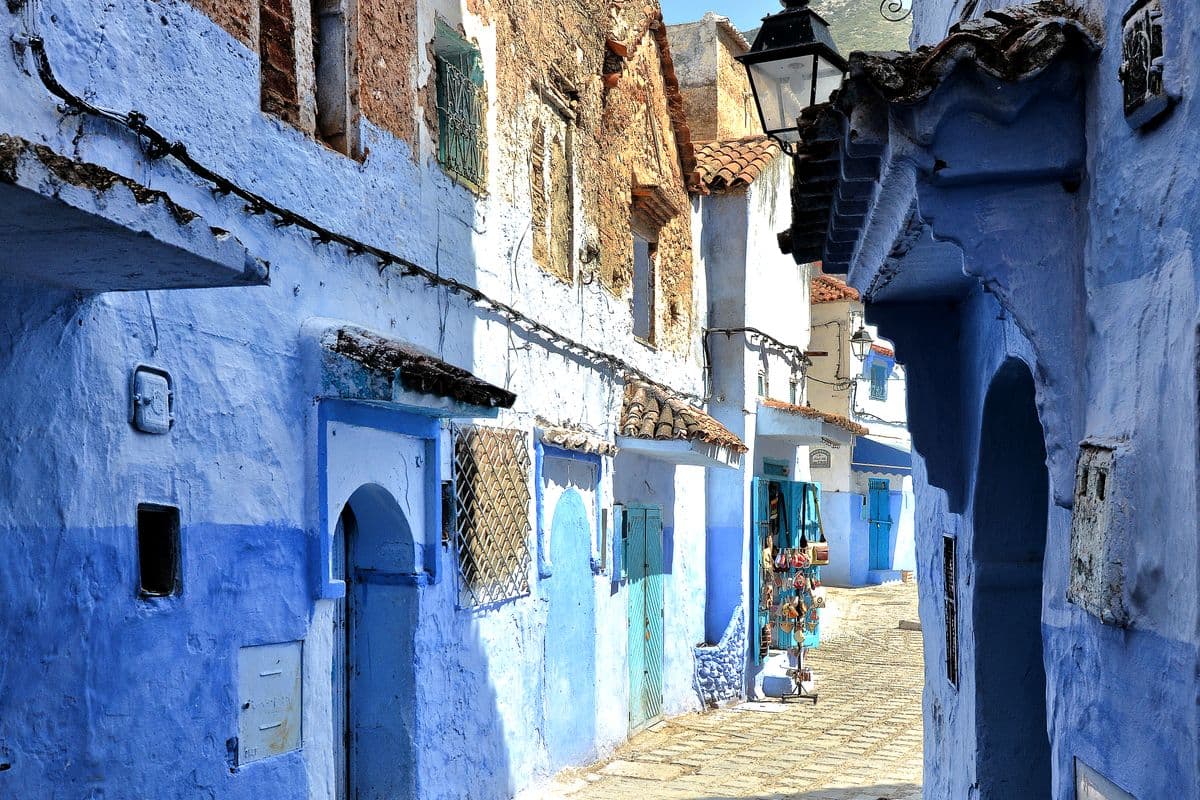
- Simple, unadorned architecture reflecting the order's emphasis on spiritual poverty
- Regular dhikr sessions that draw participants from surrounding villages
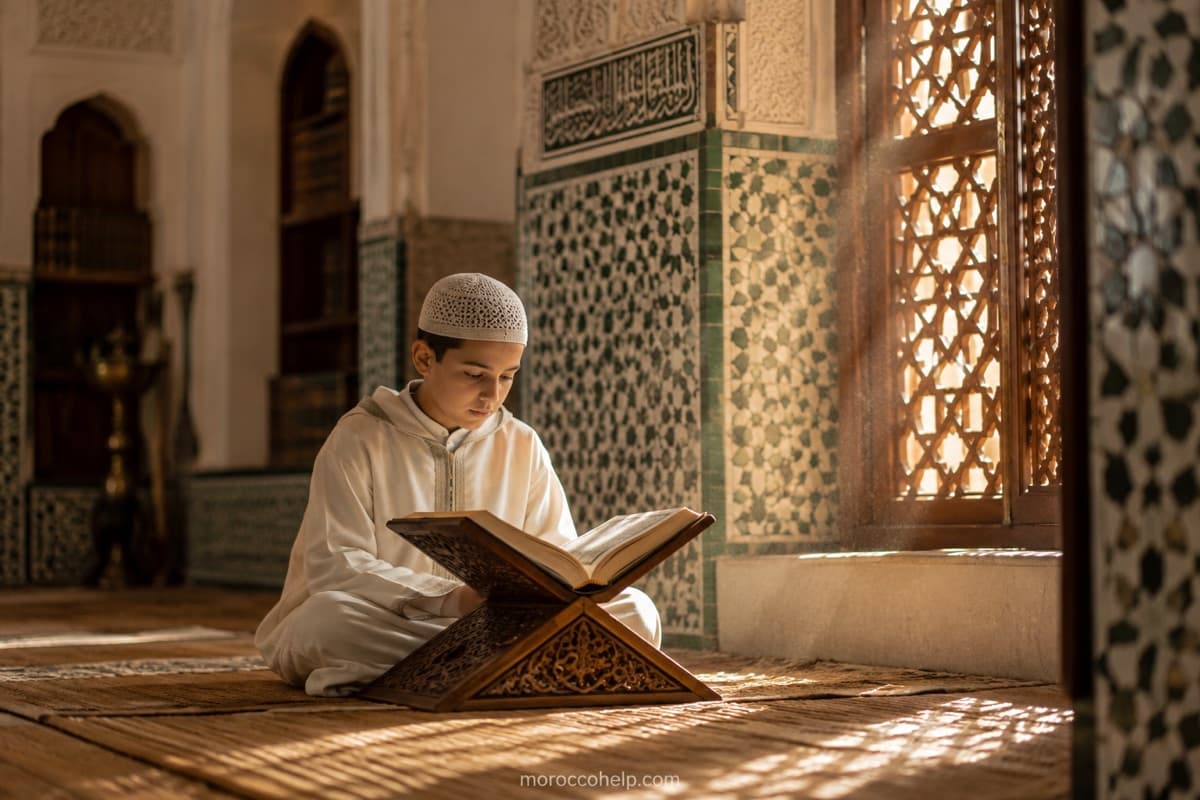
- Quranic schools serving local children
Zawiyas of Northern and Central Morocco
Darqawi zawiyas spread across the breadth of Morocco, from the northern plains to the Atlas foothills. Notable centers were established in regions including:
- The Ouezzane area, where the Darqawiyya interacted with the influential Wazzaniyya order
- The Taza corridor, a key route between the Rif and the interior
- Southern Morocco, where Darqawi teachings merged with local Berber spiritual traditions
Spiritual Practices of the Darqawiyya
The Darqawiyya is known for its distinctive spiritual practices, which set it apart from more restrained orders:
Vocal Dhikr
The Darqawi practice of dhikr (remembrance of God) is notably vocal and physically engaged. Disciples gather in the zawiya's prayer hall and recite the names of God in a loud, rhythmic fashion, often rising to their feet and moving in coordinated motions. This practice of dhikr al-jahri (vocal remembrance) is believed to awaken the heart and pierce through the veil of worldly distraction.
The typical Darqawi dhikr session includes:
- Recitation of the Shadhili litanies (awrad) passed down through the order's spiritual chain
- The Haylala, repetition of the phrase "La ilaha illa Allah" (There is no god but God) hundreds or thousands of times
- Salat al-Nariyya, a prayer for blessings on the Prophet Muhammad (PBUH), recited collectively
- Periods of silence and meditation following the vocal dhikr
Spiritual Poverty (Faqr)
Central to Darqawi spirituality is the concept of faqr, not material poverty per se, but a state of spiritual neediness before God. The Darqawi disciple is taught to:
- Abandon reliance on worldly status, wealth, or connections
- Cultivate constant awareness of one's dependence on God
- Practice generosity with whatever one has, trusting in divine provision
- View all of life's experiences, both pleasant and difficult, as gifts from God
The Master-Disciple Relationship
Like all Sufi orders, the Darqawiyya places great importance on the relationship between the shaykh (spiritual guide) and the murid (disciple). The shaykh provides:
- A personalized spiritual program (wird) for each disciple
- Guidance on overcoming spiritual obstacles (akhlaq refinement)
- Permission (ijaza) to progress to higher levels of practice
- A living example of the prophetic character (akhlaq al-nabawiyya)
The Darqawiyya and Moroccan History
The Darqawiyya was not merely a spiritual movement, it was a significant political and social force in 18th-19th century Morocco.
Tensions with the Makhzen
The order's growing power and its appeal among tribal populations brought it into conflict with the Moroccan sultanate. Several sultans viewed the Darqawiyya as a challenge to central authority, particularly when the order's zawiyas became centers of tribal mobilization.
In the early 19th century, Sultan Moulay Slimane sought to suppress the Darqawiyya, arresting leaders and closing some zawiyas. However, the order's grassroots support made it impossible to eliminate entirely, and a compromise was eventually reached.
The Darqawiyya in Algeria
The order's influence extended significantly into Algeria, where Darqawi disciples were among the earliest opponents of French colonial expansion. The Darqawiyya's emphasis on spiritual independence and its network of zawiyas provided organizational infrastructure for resistance movements.
Legacy of Reform
Despite periods of conflict, the Darqawiyya's legacy in Morocco is largely one of spiritual renewal. The order's emphasis on returning to the essentials of Islamic practice, sincerity, poverty of spirit, and constant remembrance of God, has influenced Moroccan Sufism broadly.
The Darqawiyya Today
Today, Darqawi zawiyas continue to operate across Morocco, though the order's political influence has diminished compared to its historical peak. Contemporary Darqawi practice focuses on:
- Regular dhikr gatherings in zawiyas and private homes
- Quranic education for children and adults
- Charitable activities, food distribution, support for the poor, and community services
- Spiritual retreats (khalwa) for advanced disciples
- Interfaith and intercultural dialogue through Morocco's broader Sufi networks
The Darqawiyya's influence also lives on through several offshoot orders that trace their spiritual lineage back to al-Darqawi, including the Alawiyya (founded by Ahmad al-Alawi, which has a significant international following) and the Kettaniyya.
Visiting a Darqawi Zawiya
For visitors to Morocco interested in experiencing Sufi heritage, some Darqawi zawiyas welcome respectful guests. When visiting:
- Dress modestly, long sleeves, covered legs, and for women a headscarf
- Remove shoes before entering prayer areas
- Ask permission before photographing
- Observe quietly during dhikr sessions rather than participating unless invited
- Learn basic greetings in Arabic or Darija (Moroccan Arabic)
The best way to find active Darqawi zawiyas is through local guides in Fez, the Rif region, or northern Moroccan cities.
Continue Reading
- Morocco's Islamic Heritage: Zawiyas, Sufi Traditions & Spiritual Legacy, Explore all of Morocco's Sufi orders and zawiyas
- Zawiya Tijaniyya Fez Morocco, Discover the Tijani Zawiya of Fez
- Famous Mosques in Morocco: History and Architecture, Explore Morocco's architectural masterpieces
Use our Prayer Times tool and Qibla Direction finder to support your daily Islamic practice.