Zawiya Tijaniyya Fez Morocco: A Guide to the Spiritual Heart of the Tijaniyya
In the winding alleys of the Fez medina, one of the oldest living medieval cities in the world, lies a spiritual center of immense significance to millions of Muslims across Africa and beyond: the Zawiya of Sidi Ahmed Tijani. This zawiya, the spiritual headquarters of the Tijaniyya Sufi order, is a major pilgrimage destination, an architectural treasure, and a living center of Islamic learning and devotion.
Sheikh Ahmad al-Tijani: The Founder
Sheikh Ahmad al-Tijani (1737–1815 CE) was born in the village of Aïn Madhi in present-day Algeria. From a young age, he displayed exceptional intellectual and spiritual gifts, memorizing the Quran by age seven and studying the Islamic sciences under prominent scholars of the Qadiriyya and other Sufi orders.
After extensive spiritual journeying across North Africa and a pilgrimage to Mecca, where he reported receiving a direct spiritual vision (fath) from the Prophet Muhammad (PBUH), al-Tijani established a new Sufi order based on the principle of direct spiritual access to the Prophet's presence (hadra muhammadiyya).
In 1798 CE, Sheikh Ahmad al-Tijani settled in Fez at the invitation of Sultan Moulay Slimane. He chose Fez as his base, the spiritual and intellectual capital of Morocco, and it was here that he spent the remaining years of his life teaching, writing, and establishing the order that would become one of the largest Sufi brotherhoods in the Islamic world.
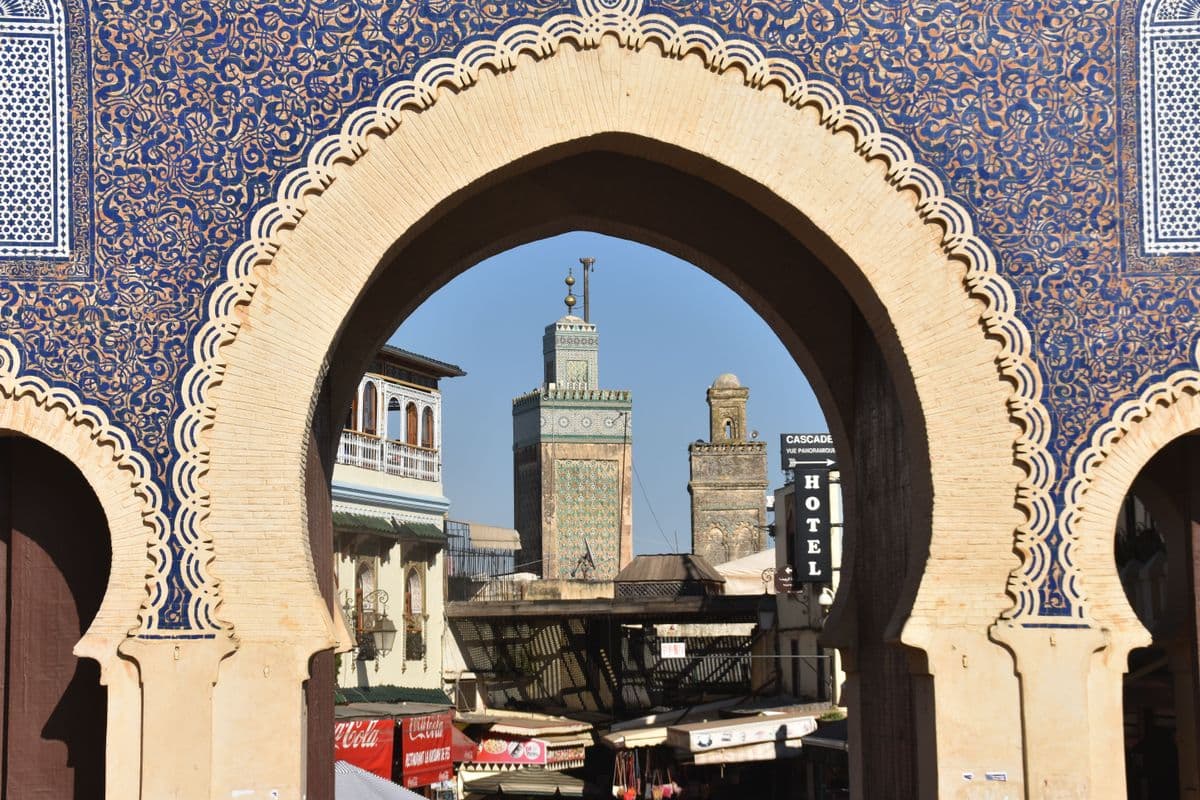
The Zawiya: Architecture and Layout
The Zawiya of Sidi Ahmed Tijani is located in the Derb al-Tijani quarter of the Fez medina, not far from the famous Qarawiyyin Mosque. The complex has been expanded and embellished by successive generations of the Tijani order and by Moroccan sultans who were patrons of the order.
Key Architectural Features
-
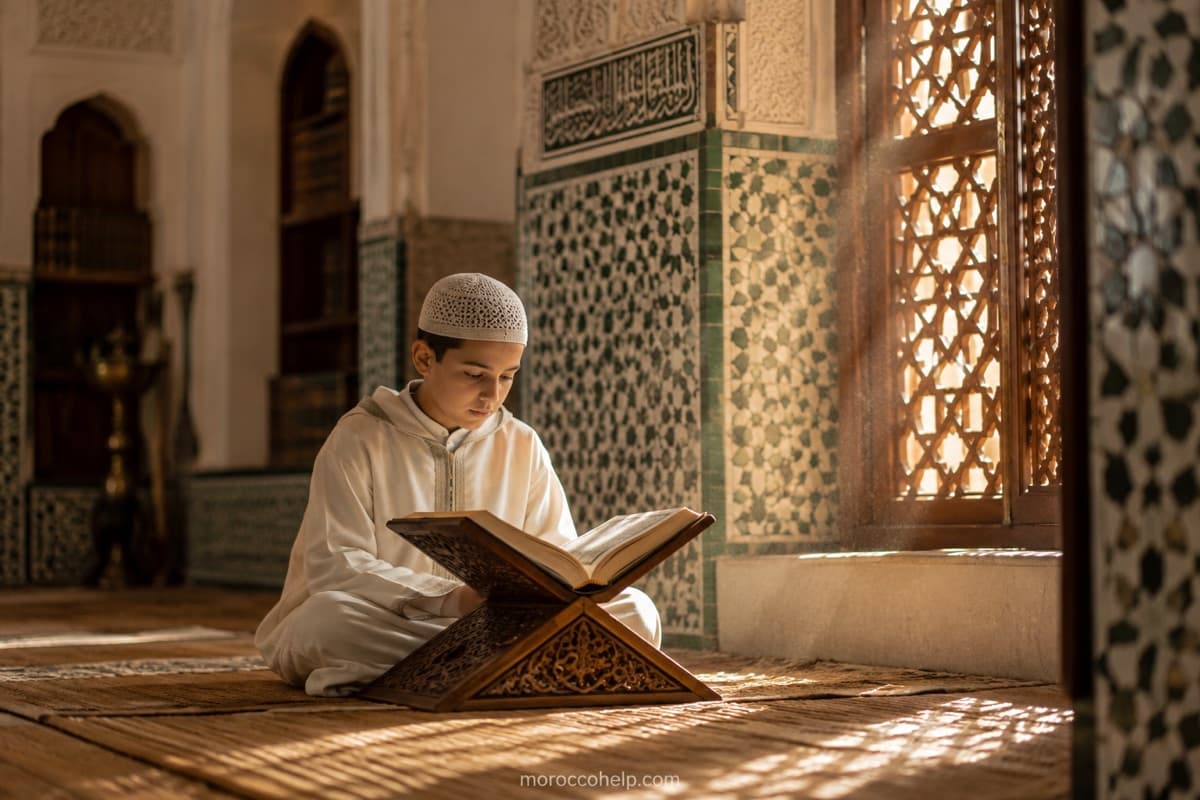
The Mosque (Masjid al-Jami'), The main prayer hall, large enough to accommodate hundreds of worshippers for Friday prayers and special occasions. The hall features carved cedar ceilings, intricate zellige tilework, and elegant calligraphic inscriptions.
-
The Shrine (Darih), The most sacred space in the zawiya, housing the tomb of Sheikh Ahmad al-Tijani. The shrine is draped in green fabric (the color of Islam and of prophetic descent) and is the focal point of pilgrimage visits (ziyara). Pilgrims approach the shrine with reverence, reciting prayers and seeking spiritual blessings (baraka).
-
The Library (Khizana), The zawiya houses a significant collection of Islamic manuscripts, including original writings of Sheikh Ahmad al-Tijani, commentaries on his works, and historical documents related to the order's spread across Africa.
-
The Guest Quarters (Dar al-Dyaf), Rooms for visiting disciples and pilgrims, particularly those traveling from West Africa. The zawiya has historically provided free accommodation and meals to visiting Tijani faithful.
-
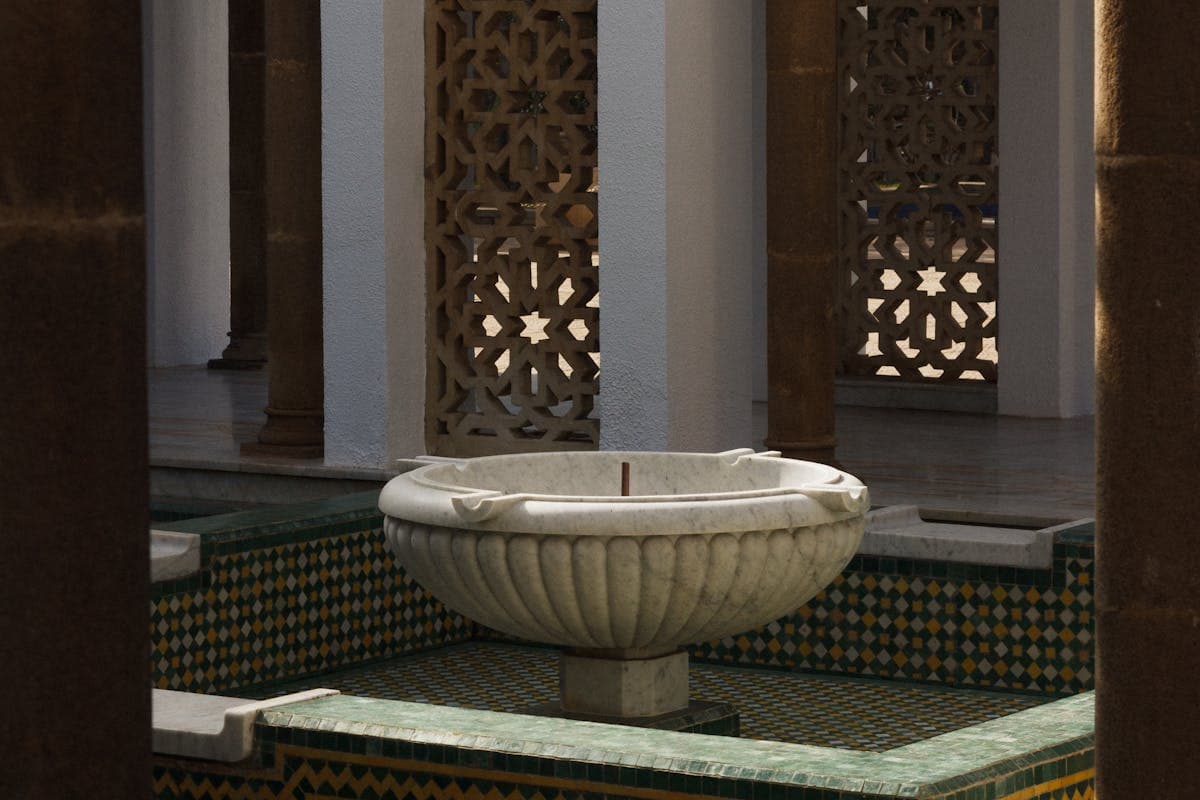
The Courtyard (Sahn), A central open courtyard with a fountain for ablutions (wudu), surrounded by arched galleries featuring stucco decoration and geometric patterns typical of Moroccan-Andalusian architecture.
- The Minaret, A distinctive green-tiled minaret that marks the zawiya's location within the dense urban fabric of the medina.
Spiritual Significance
The Spiritual Headquarters
The Zawiya Tijaniyya of Fez serves as the spiritual center of a Sufi order with an estimated 100–300 million followers worldwide, primarily in West and North Africa. It holds a status analogous to that of a mother church or primary shrine, all Tijani communities around the world orient their spiritual practice toward this center.
The Concept of the Hadra Muhammadiyya
Central to Tijani spirituality is the belief in the hadra muhammadiyya, the spiritual presence of the Prophet Muhammad (PBUH). Sheikh Ahmad al-Tijani taught that he had received direct authorization from the Prophet himself to establish the order and transmit its specific litanies. This claim of direct prophetic authorization (not through the usual chain of transmission) distinguishes the Tijaniyya from most other Sufi orders.
Pilgrimage (Ziyara)
The zawiya is a major ziyara (pilgrimage) destination. Tijani disciples from across the world, especially from Senegal, Mali, Nigeria, Mauritania, and other West African countries, make the journey to Fez to:
- Visit the tomb of Sheikh Ahmad al-Tijani
- Attend dhikr gatherings in the zawiya
- Receive spiritual instruction from the order's current leadership
- Perform the special Tijani litanies in the place where they were originally revealed
The annual Mawlid al-Nabi (Prophet's Birthday) celebrations at the zawiya are particularly significant, drawing large gatherings of pilgrims.
Daily Life at the Zawiya
The Zawiya Tijaniyya of Fez is not a museum, it is a living spiritual center with daily rhythms of worship, learning, and community service.
Prayer and Dhikr
- Five daily prayers are held in the zawiya's mosque
- The Wazifa (litanies), the special Tijani prayer formula, is recited collectively twice daily, morning and evening
- Dhikr al-Jum'a (Friday Dhikr), a special extended dhikr session held every Friday, which is the most important weekly spiritual gathering
Education
The zawiya continues its educational mission through:
- Quran classes for children and adults
- Study circles (halaqat) in Islamic sciences, particularly Maliki jurisprudence and Ash'ari theology
- Spiritual instruction for Tijani disciples at various stages of the spiritual path
- Manuscript preservation and research in the zawiya's library
Charity
Following the example of its founder, the zawiya maintains charitable programs including:
- Food distribution to the poor, especially during Ramadan and on religious holidays
- Financial assistance to students and travelers
- Community mediation and social support
Visiting the Zawiya Tijaniyya
Location
The zawiya is located in the Derb al-Tijani area of the Fez el-Bali (Old Fez) medina. It is accessible on foot through the medina's narrow streets. Local guides in Fez can direct visitors to the zawiya.
Practical Information
- Opening hours: The zawiya is generally open to visitors during daylight hours, though access to the inner shrine area may be restricted during prayer times and special religious occasions
- Dress code: Modest dress is required. Long sleeves, covered legs, and a headscarf for women
- Photography: Always ask permission before photographing inside the zawiya. Some areas, particularly the shrine, may not allow photography
- Shoes: Remove shoes before entering prayer and shrine areas
- Behavior: Maintain a respectful and quiet demeanor. The zawiya is an active place of worship
Best Time to Visit
- Mawlid al-Nabi (Prophet's Birthday), for the most vibrant spiritual atmosphere, though the zawiya will be crowded
- Friday, to observe the weekly Dhikr al-Jum'a
- Morning hours, for a quieter, more contemplative visit
Nearby Sites
The zawiya is within walking distance of several other important Islamic sites in Fez:
- Al-Qarawiyyin Mosque and University, one of the oldest continuously operating universities in the world
- Zawiya Moulay Idriss II, the shrine of the founder of Fez
- Bou Inania Madrasa, a masterpiece of Marinid architecture
- Chouara Tannery, for a different perspective on Fez's artisanal heritage
The Tijaniyya's Global Reach
While the zawiya in Fez is the spiritual heart of the order, the Tijaniyya's influence extends far beyond Morocco:
- West Africa: The Tijaniyya is the largest Sufi order in Senegal, Mali, Niger, northern Nigeria, and Mauritania. Tijani scholars and communities have profoundly shaped Islamic practice and scholarship across the region.
- North Africa: Significant Tijani communities exist in Algeria (particularly in the south), Tunisia, and Libya.
- Sub-Saharan Africa: The order has a growing presence in countries like Cameroon, Chad, and Sudan.
- Global diaspora: Tijani communities can be found in France, the United Kingdom, the United States, and other countries with African and North African immigrant populations.
The Zawiya of Fez serves as a spiritual bridge connecting these diverse communities to their common source, and the flow of pilgrims to Fez from across Africa continues to strengthen cultural and religious ties between Morocco and the continent.
The Tijaniyya and the Moroccan State
The relationship between the Tijaniyya order and the Moroccan state has been historically close. Several Moroccan sultans were patrons of the order, and the zawiya has benefited from royal patronage over the centuries. Today, the Moroccan monarchy continues to support the Tijaniyya as part of its broader strategy of promoting moderate, spiritually grounded Islam both domestically and as a tool of soft power in Africa.
The Mohammed VI Foundation of African Oulema works closely with Tijani networks to promote religious education, cultural exchange, and Morocco's vision of a moderate, tolerant Islam rooted in Sufi values.
Continue Reading
- Morocco's Islamic Heritage: Zawiyas, Sufi Traditions & Spiritual Legacy, Explore all of Morocco's Sufi orders and zawiyas
- Darqawi Zawiya Morocco: The Rif's Spiritual Brotherhood, Discover the Darqawiyya order
- Famous Mosques in Morocco: History and Architecture, Explore Morocco's architectural masterpieces
Use our Prayer Times tool and Qibla Direction finder to support your daily Islamic practice.