The Most Blessed Night in the Islamic Calendar
Laylat al-Qadr, the Night of Power or the Night of Decree, is the single most significant night in the entire Islamic year. Allah dedicated an entire surah of the Quran to this night:
إِنَّا أَنزَلْنَاهُ فِي لَيْلَةِ الْقَدْرِ
“Indeed, We sent it down during the Night of Decree. And what can make you know what the Night of Decree is? The Night of Decree is better than a thousand months. The angels and the Spirit descend therein by permission of their Lord for every matter. Peace it is until the emergence of dawn.”
A night better than a thousand months means that worship performed on this one night is worth more than 83 years of worship. This is an extraordinary gift from Allah to the Ummah of Prophet Muhammad (peace be upon him), an opportunity that no sincere Muslim can afford to miss.
When Does Laylat al-Qadr Occur?
The Last Ten Nights of Ramadan
The Prophet Muhammad (peace be upon him) said: "Seek Laylat al-Qadr in the odd nights of the last ten nights of Ramadan" (Bukhari). This means the nights of the 21st, 23rd, 25th, 27th, and 29th of Ramadan are the most likely candidates.
The 27th Night Tradition
While many Muslims around the world, including in Morocco, place special emphasis on the 27th night of Ramadan, it is important to understand that the exact date is not definitively fixed. Scholars explain that Allah concealed the precise night to encourage Muslims to strive in worship throughout the last ten nights, not just on a single evening.
Why the Night is Hidden
The wisdom behind concealing the exact night is profound. If Muslims knew which night it was, many might worship only on that one night and neglect the rest of Ramadan. By keeping it hidden, Allah encourages sustained devotion across multiple nights, multiplying the opportunities for reward and deepening the spiritual experience of the final days of Ramadan.
The Significance of Laylat al-Qadr
The Night the Quran Was Revealed
Laylat al-Qadr is the night on which the Quran began its revelation to Prophet Muhammad (peace be upon him) through the Angel Jibreel (Gabriel). This event changed the course of human history, bringing divine guidance that would illuminate the lives of billions of people across centuries. The very foundation of Islam, the Quran, is inseparably linked to this blessed night.
The Night of Decree
The word "Qadr" also carries the meaning of decree or destiny. Scholars explain that on this night, the decrees for the coming year are determined and assigned to the angels for execution. Matters of life, death, provision, and all affairs are settled. This understanding adds urgency to making dua (supplication) on this night, as your prayers may directly influence the decrees being written.
Angels Fill the Earth
The surah tells us that angels descend to the earth in such numbers during Laylat al-Qadr that they are more numerous than pebbles. Jibreel himself descends, something that has not occurred since the death of the Prophet (peace be upon him) except on this night. Their presence brings an atmosphere of peace, tranquility, and blessing that lasts until dawn.
How to Worship on Laylat al-Qadr
Qiyam al-Layl (Night Prayer)
The Prophet (peace be upon him) said: "Whoever stands in prayer during Laylat al-Qadr out of faith and seeking reward, all their previous sins will be forgiven" (Bukhari and Muslim). Perform as many voluntary prayers as you can throughout the night. There is no fixed number; pray two rak'ahs at a time and continue as long as you are able.
Quran Recitation
Given that this is the night the Quran was first revealed, there is no more fitting act of worship than reciting the Book of Allah. Read with contemplation and reflection. If you are not fluent in Arabic, read a translation alongside the Arabic to connect with the meaning. Even listening to Quran recitation carries great reward.
Dua (Supplication)
Aisha (may Allah be pleased with her) asked the Prophet (peace be upon him) what she should say if she found Laylat al-Qadr. He replied: "Say: Allahumma innaka afuwwun tuhibbul afwa fa'fu anni" (O Allah, You are the One who pardons, You love to pardon, so pardon me) (Tirmidhi). This dua should be repeated abundantly throughout the night, along with personal supplications for yourself, your family, the Ummah, and all of humanity.
Dhikr (Remembrance of Allah)
Fill the quiet moments of the night with dhikr: SubhanAllah, Alhamdulillah, Allahu Akbar, La ilaha illa Allah, and Istighfar (seeking forgiveness). These simple phrases carry immense weight, especially on this blessed night.
I'tikaf (Spiritual Retreat)
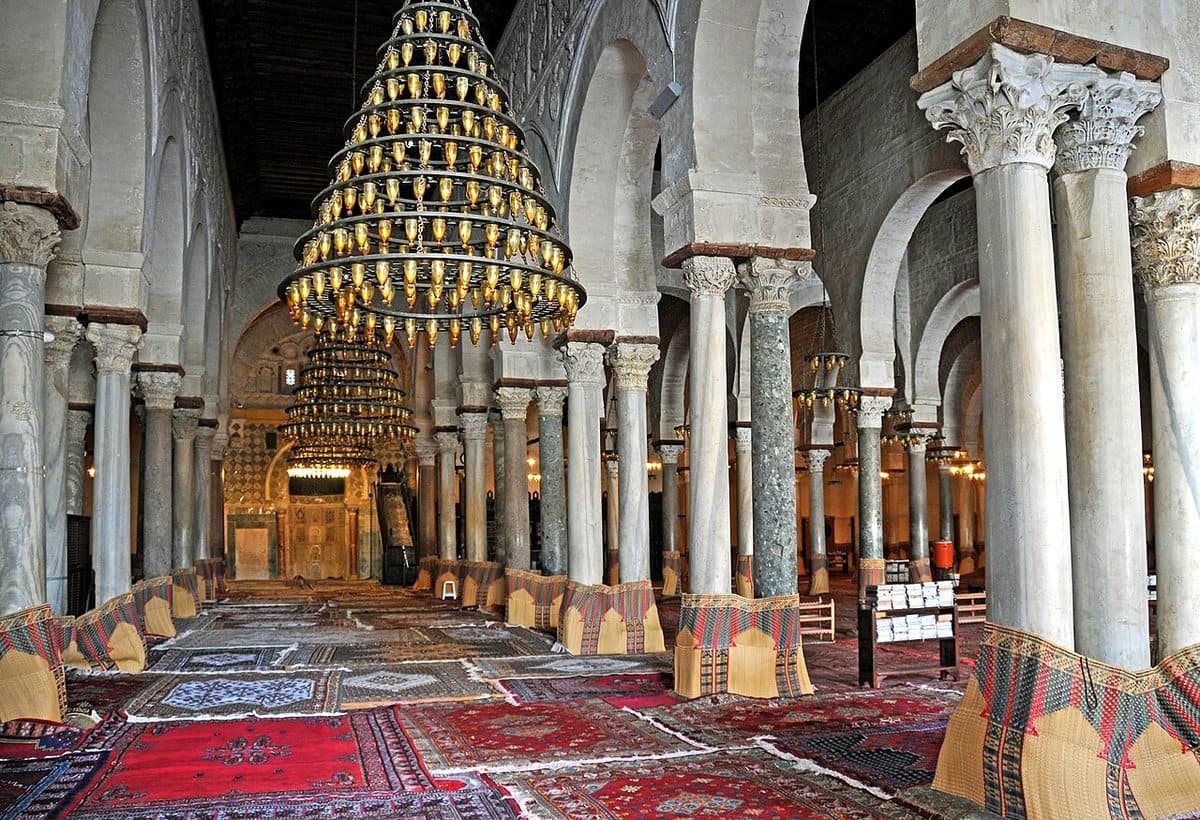
The Prophet (peace be upon him) would observe i'tikaf during the last ten nights of Ramadan, secluding himself in the mosque for worship. While not everyone can commit to a full ten-day i'tikaf, even spending one or more nights in the mosque in devoted worship captures some of this sunnah. Many mosques across Morocco facilitate i'tikaf during the last ten nights, providing spaces for worshipers to stay.
Signs of Laylat al-Qadr
The Prophet (peace be upon him) and his companions described several signs associated with Laylat al-Qadr, though these are typically observed after the night has passed:
A Calm, Peaceful Night
The night is described as being neither excessively hot nor cold. There is a sense of unusual tranquility and peace in the atmosphere.
The Morning Sun
One of the most commonly cited signs is that the sun rises the following morning without strong rays, appearing pale or subdued. The Prophet (peace be upon him) described it as rising like a plate, without its usual brilliant beams.
A Feeling of Serenity
Many scholars and devout Muslims report an overwhelming sense of spiritual peace and closeness to Allah during the night. While this is subjective, it is a widely shared experience among those who devote themselves to worship.
Laylat al-Qadr in Morocco
The 27th Night Celebrations
In Morocco, the 27th night of Ramadan holds particular cultural significance. Families dress in white, children who have completed their first full reading of the Quran are celebrated in special ceremonies, mosques are filled to overflowing, and the entire night is spent in communal worship. The atmosphere in Moroccan cities on this night is unlike any other, with a palpable sense of spiritual anticipation.
Quran Completion Ceremonies
A beautiful Moroccan tradition associated with the last ten nights is the "khatm al-Quran" ceremony, where children and adults who have completed memorizing or reading the entire Quran are honored. Families prepare special meals and sweets, and the occasion becomes a joyful community celebration of Quranic learning.
Mosques Throughout the Night
Moroccan mosques open their doors for extended Taraweeh and Tahajjud prayers throughout the last ten nights. Many imams complete the recitation of the entire Quran during this period, and the emotional qunoot supplications during these prayers are among the most moving spiritual experiences of the year.
Practical Tips for Maximizing the Last Ten Nights
Create a Worship Plan
Do not leave these precious nights to chance. Plan which acts of worship you will focus on each night, alternating between prayer, Quran, dua, and dhikr to maintain freshness and engagement.
Take Time Off If Possible
If your work or studies allow, try to reduce commitments during the last ten days of Ramadan. The Prophet (peace be upon him) would "tighten his belt" (intensify his worship) and wake his family during these nights, showing that they require special effort.
Nap During the Day
To sustain worship throughout the night, take rest during the daytime. A nap after Dhuhr prayer, following the sunnah, helps preserve energy for the nighttime devotions.
Worship with Family
Encourage your family members to join you in worship. Pray together, make dua together, and remind each other of the significance of these nights. The Prophet (peace be upon him) would wake his family for worship during the last ten nights.
Do Not Waste Time
The last ten nights of Ramadan pass quickly. Avoid social media, unnecessary conversations, and any distraction that takes away from these irreplaceable moments. Every minute of Laylat al-Qadr is worth more than a lifetime of ordinary worship.
Conclusion
Laylat al-Qadr is Allah's gift to the Muslim Ummah, a single night that outweighs a thousand months. Whether it falls on the 21st, 23rd, 25th, 27th, or 29th of Ramadan, the believer who strives in worship throughout the last ten nights is all but guaranteed to catch it. The investment is a few nights of effort; the return is a lifetime of forgiven sins, answered prayers, and divine closeness. Let no Ramadan pass without giving your fullest effort to these blessed nights.