Ashura 2026: Significance, Fasting & Virtues of 10th Muharram
Among the most spiritually charged days in the Islamic calendar, the Day of Ashura, the 10th of Muharram, stands as a powerful reminder of divine justice, gratitude, and the continuity of faith across prophetic traditions. In 2026, Ashura falls in the month of July, marking a moment for Muslims worldwide to fast, reflect, and draw closer to Allah through acts of worship and remembrance.
When Is Ashura 2026?
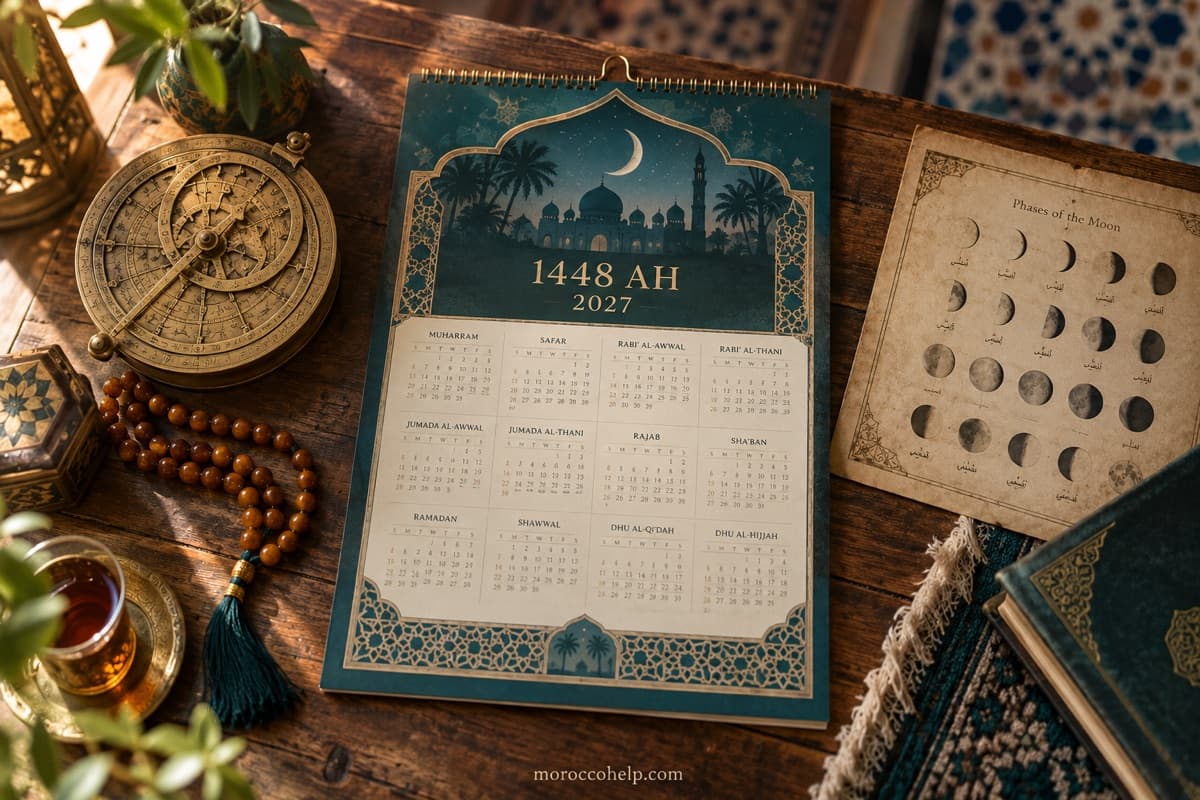
The Islamic year 1448 AH begins in approximately late June or early July 2026. The 10th of Muharram, the Day of Ashura, is expected to fall on approximately Friday, July 10, 2026, though the exact date depends on the official moon sighting. The recommended fast of Tasu'a (9th of Muharram) would then fall on Thursday, July 9, 2026.
What Is the Islamic New Year and Muharram?
Muharram is the first month of the Islamic lunar calendar and one of the four sacred months (along with Dhul Qa'dah, Dhul Hijja, and Rajab) in which warfare was traditionally forbidden and acts of worship carry heightened reward.
The Prophet Muhammad (PBUH) described Muharram as "Shahr Allah", the Month of Allah, honoring it with a divine attribution that signals its special status. He said:
"The best fasting after Ramadan is fasting in the month of Allah, Muharram." — (Muslim)
This hadith alone makes Muharram one of the most virtuous months for voluntary fasting and worship outside of Ramadan.
The Story of Ashura: Moses and the Exodus
The most prominent narration about the Day of Ashura comes from the authentic Sunnah. When the Prophet (PBUH) arrived in Madinah, he found the Jews fasting on the 10th of Muharram. He asked them the reason, and they replied:
"This is a great day on which Allah saved Moses and his people and drowned Pharaoh and his people. Moses fasted on this day out of gratitude, so we also fast on this day."
The Prophet (PBUH) responded:
"We have more right to Moses than you."
He then fasted on that day and commanded the Muslims to fast as well. — (Bukhari and Muslim)
This narration reveals a beautiful truth at the heart of Islam: the unity of the Abrahamic prophetic mission. The fasting of Ashura connects Muslims to Prophet Musa (AS), his deliverance from one of history's greatest tyrants, and the timeless principle that faith and perseverance in the face of oppression ultimately lead to divine salvation.
The Story of Prophet Musa and Pharaoh
Allah commanded Prophet Musa (AS) to lead the Children of Israel out of Egypt, where they had lived under the brutal oppression of Pharaoh (Fir'awn) for generations. Despite miraculous signs, the parting of the Red Sea, the plagues, and divine communication, Pharaoh's arrogance led him to pursue Musa and his people even as they fled.
At the shore of the Red Sea, Allah commanded Musa to strike the water with his staff, and the sea split into two walls, allowing the Israelites to cross safely. When Pharaoh and his army followed, the sea closed over them. Allah says in the Quran:
“And We took the Children of Israel across the sea, and Pharaoh and his soldiers pursued them in tyranny and enmity until, when drowning overtook him, he said, 'I believe that there is no deity except that in whom the Children of Israel believe, and I am of the Muslims.' Now? And you had disobeyed [Him] before and were of the corrupters? So today We will save you in body that you may be to those who succeed you a sign. And indeed, many among the people, of Our signs, are heedless.”
The Day of Ashura commemorates this monumental event, a day when truth triumphed over falsehood, and the faithful were saved.
The Sunnah of Fasting on Ashura
Fasting the 10th of Muharram
The Prophet (PBUH) confirmed the virtue of fasting on Ashura with a remarkable promise:
"Fasting on the day of Ashura, I hope from Allah that it will expiate the sins of the year that came before it." — (Muslim)
This is a tremendous gift, one day of voluntary fasting that expiates the minor sins of an entire year. No Muslim who is able should let this day pass without fasting.
Fasting the 9th of Muharram (Tasu'a)
In the final year of his life, the Prophet (PBUH) expressed his intention to fast not only the 10th but also the 9th of Muharram, so as to differ from the Jewish practice. He said:
"If I live until next year, I will certainly fast the ninth day too." — (Muslim)
This establishes the Sunnah of fasting both the 9th and 10th of Muharram (Tasu'a and Ashura). Some scholars also mention the 11th as an option for those who wish to be more cautious. The minimum Sunnah is to fast the 10th alone, but the most complete practice is to pair it with the 9th.
Who Should Fast?
Fasting on Ashura is a voluntary Sunnah, not obligatory, and is therefore open to all Muslims who are:
- Physically healthy and able to fast
- Not traveling (though travelers may still fast)
- Women who are not menstruating or in post-natal bleeding
If a woman misses Ashura due to her monthly cycle, she may fast a day or two later with the same intention, and scholars indicate she will receive the reward, insha'Allah, due to the excuse.
Additional Virtuous Acts on Ashura
While fasting is the primary Sunnah of Ashura, scholars recommend a range of devotional acts on this blessed day:
- Increase dhikr (remembrance of Allah): Subhanallah, Alhamdulillah, Allahu Akbar, La ilaha illallah
- Recite Quran with reflection, especially Surah Yunus and Surah Al-A'raf which narrate Musa's story
- Give sadaqah (charity): Ashura is an occasion to be generous. Some scholars narrate that being generous to one's family on this day is also meritorious, though the specific hadith on this is debated
- Offer voluntary prayers during the night and day
- Make dua for oneself, one's family, and the Muslim Ummah
Ashura Traditions in Morocco
In Morocco, Ashura carries a distinctive cultural flavor that blends sincere religious observance with warm community traditions.
Fasting and Prayer
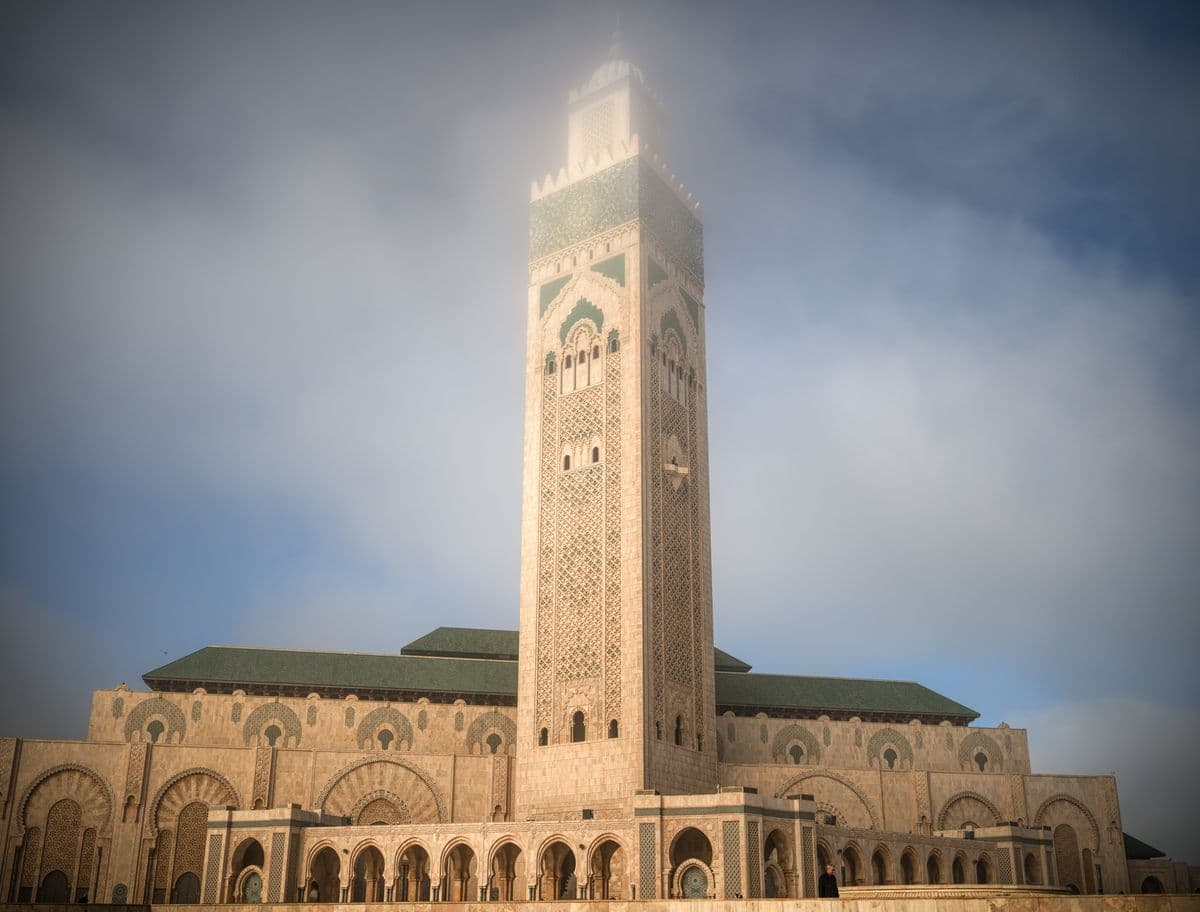
Moroccan families observe the fast of Ashura and the preceding Tasu'a with great care. Many attend Fajr prayer in congregation and spend time in the mosque reading Quran and making du'a throughout the day.
Sweet Couscous and Charitable Giving
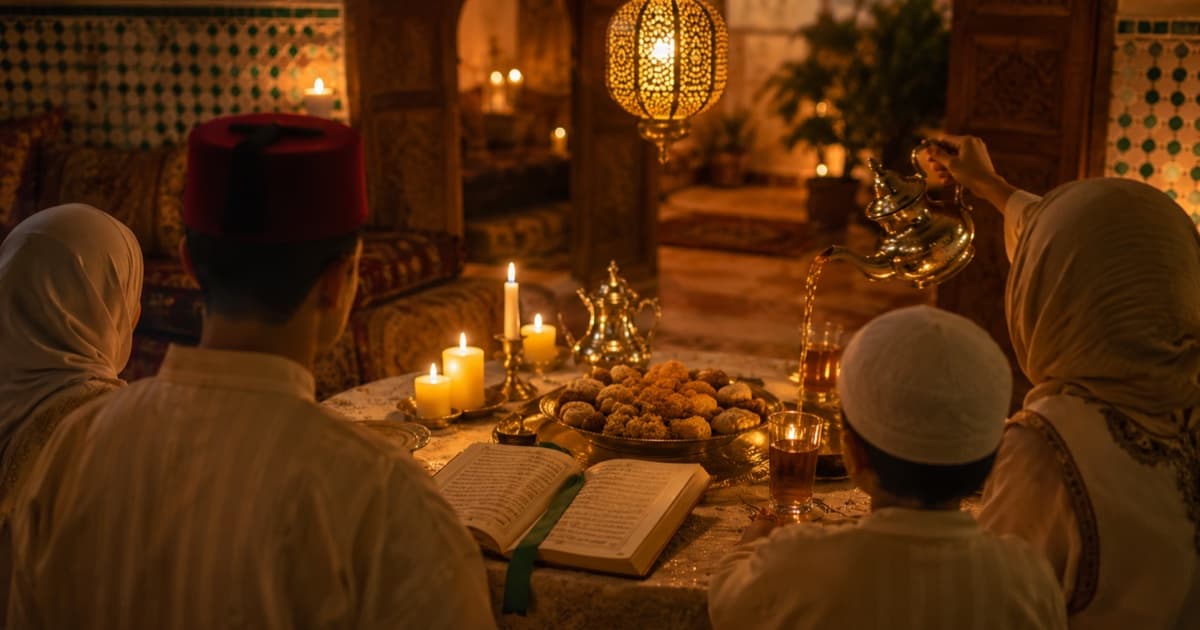
It is a Moroccan tradition in many households to prepare sweet couscous (couscous seffa) on the eve of Ashura and distribute it to neighbors, the elderly, and those in need. This act of communal generosity reflects the Prophetic emphasis on caring for one another.
Children and Festivities
In many Moroccan cities, Ashura has traditionally been a time of joy for children, with music, games, and the gifting of toys and sweets. While some of these local cultural expressions have varying scholarly opinions, the core observance of fasting and remembrance of Allah remains the most rewarding practice.
Remembering the Martyrdom of Hussain (RA)
While the mainstream Sunni observance of Ashura focuses on the story of Moses and the Sunnah fasting, Muslims also reflect with sadness on the martyrdom of Sayyiduna Hussain ibn Ali (RA) at Karbala on the 10th of Muharram, 61 AH. This is remembered with grief and prayers, though Sunni scholars caution against excessive mourning practices.
Spiritual Lessons from Ashura
The Day of Ashura teaches us several timeless lessons:
-
Gratitude transforms trials: Musa (AS) fasted out of gratitude, not just relief. Gratitude is the appropriate response to every blessing and every deliverance.
-
Allah's help comes at the last moment: The Children of Israel were at the sea's edge with Pharaoh's army behind them. Yet they were saved. This teaches patience and tawakkul (reliance on Allah) in moments of apparent impossibility.
-
Prophetic solidarity: Islam honors all the prophets. Our fasting on Ashura is an expression of love for Musa (AS) and continuity with the universal message of tawhid.
-
Sin is forgiven through worship: A single day of sincere fasting can wipe away the minor sins of a year, a mercy that reflects Allah's boundless generosity to those who seek Him.
Conclusion
Ashura 2026 is an opportunity that no Muslim should miss. Whether you are fasting for the first time or the hundredth, the Day of Ashura offers a window of tremendous mercy and forgiveness. Pair your fast with increased Quran recitation, heartfelt dua, and charity to those around you, and make this a day of genuine spiritual renewal.
May Allah allow us to reach Ashura 2026 in good health and strong faith, and may He accept our fasting and worship.
Continue Reading
- Eid & Ashura FAQ: 20 Questions Answered, Common fasting, qurbani, and charity questions
- Family Activities for Eid & Ashura, Teaching children the story of Musa and Ashura traditions
- Charity Planning for Eid & Ashura, The Moroccan tradition of giving on Ashura
For accurate prayer times throughout Muharram and the rest of the Islamic year in Morocco, use our Prayer Times tool.