Eid Al-Adha Qurbani Checklist: A Step-by-Step Practical Guide for Morocco
While the spiritual and religious foundations of Eid al-Adha are covered in our complete Eid al-Adha guide, this article focuses on the practical logistics, the things Moroccan families actually need to do week by week to prepare for a smooth and blessed Eid al-Kebir.
Whether this is your first time managing the sacrifice or you're a seasoned veteran looking for a structured checklist, this guide will walk you through every step.
2-3 Weeks Before Eid: Budgeting and Financial Planning
Set Your Budget
Sheep prices in Morocco typically range from 2,000 to 5,000 MAD depending on breed, weight, and region. Prices are higher in major cities like Casablanca and Rabat compared to rural markets. Set a realistic budget that covers:
- The animal itself
- Feed for the days you'll keep it
- Knives, charcoal, and supplies
- Spices and ingredients for the feast
Check Your Religious Obligations
Before purchasing, verify whether qurbani is an obligation for you this year. The financial threshold (nisab) is the same as for Zakat, use our Zakat Calculator to check. If you're also due to pay Zakat, consider timing your payment during these blessed days of Dhul Hijja, when the reward is multiplied. See our Dhul Hijja guide for more on maximizing these days.
Decide on the Animal Type
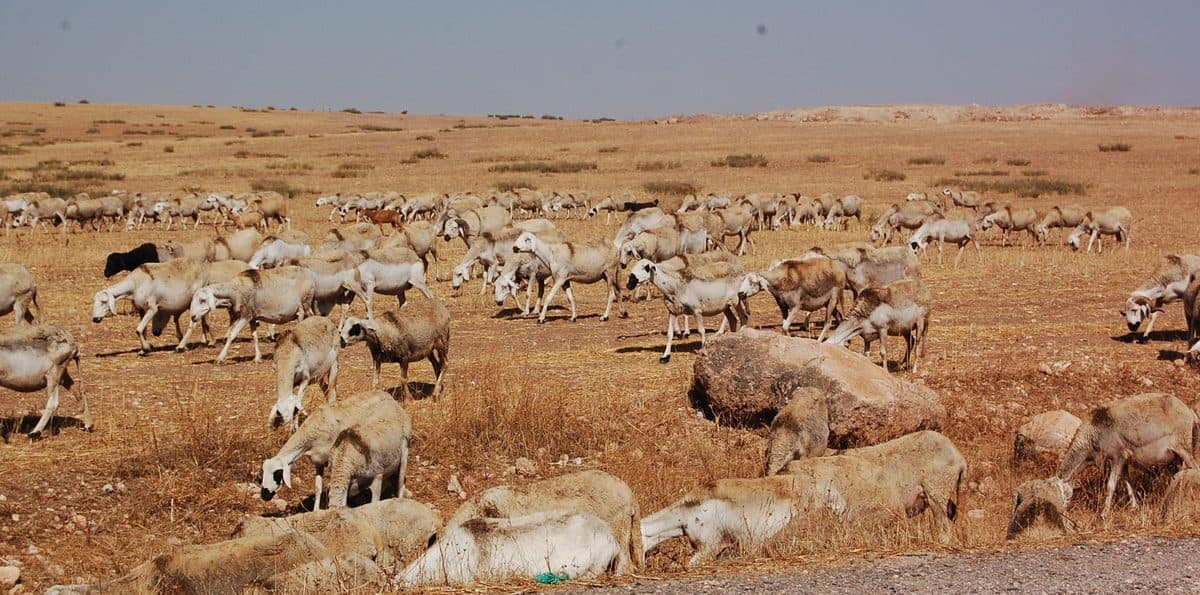
- Sheep (most common in Morocco): One sheep per household. The Sardi breed (from the Beni Mellal and Khouribga regions) is the most prized for its large build and fatty tail. The Timahdite (Middle Atlas) is smaller but hardy and flavorful. The Boujaad and D'man are also popular.
- Goat: Acceptable alternative, must be at least one year old.
- Cow: Shared among up to 7 families, increasingly popular in urban areas for cost-sharing.
1 Week Before Eid: Selecting Your Animal
Where to Buy
- Souks (weekly markets): Best variety and negotiation opportunities. Arrive early for the best selection.
- Temporary Eid markets: Set up by municipalities in urban areas, often with veterinary inspection.
- Direct from farms: Ideal if you have contacts in rural areas, often better prices.
How to Inspect the Animal
A valid qurbani animal must be healthy and free from major defects. Check:
- Eyes: Clear, no discharge or cloudiness
- Legs: The animal walks without limping; all four limbs intact
- Teeth: Check for age, a one-year-old sheep (jad'a) has its two front adult teeth
- Ears and tail: No more than a third should be missing
- Coat: Clean, no patches of disease or mange
- Body condition: Neither extremely thin nor bloated; a firm, well-muscled body is ideal
- Breathing: No coughing or nasal discharge
Transporting the Animal Home
Use a pickup truck or hire transport. Ensure the animal has ventilation and is tied securely but not uncomfortably. In cities, check your municipality's rules on keeping livestock, most allow it on terraces or courtyards for the days before Eid.
Feeding and Care
Keep the animal in a shaded, clean area. Provide hay or straw, barley, fresh water, and occasional vegetable scraps. A well-fed animal produces better quality meat and is healthier for sacrifice.
3 Days Before Eid: Preparing Your Home and Tools
Essential Tools Checklist
- Sharp knives (at least 2: one large for slaughter, one smaller for butchering)
- Knife sharpener (steel or whetstone)
- Plastic sheeting or tarp (to protect floors/surfaces)
- Large basins or buckets (for washing meat)
- Butcher hooks (for hanging the carcass)
- Rope (for securing the animal)
- Heavy-duty trash bags (for waste)
- Salt (coarse, for khlii and hide treatment)
- Charcoal or wood (for the grill, boulfaf/kebda)
- Freezer bags and containers (for storage)
- Cleaning supplies (bleach, detergent, brushes)
- Gloves (optional, for hygiene)
Prepare the Space
Clear and clean the area where the sacrifice will take place. Lay plastic sheeting. Ensure drainage. If you're in an apartment, coordinate with neighbors and building management, many Moroccan buildings have designated rooftop areas.
Sharpen Your Knives
The Prophet (PBUH) said: "Sharpen your blades and give ease to the animal." — (Muslim). A sharp knife ensures a swift, humane cut. Sharpen at least one day in advance.
The Morning of Eid
Personal Preparation
- Perform ghusl (ritual bath) before Fajr or after it
- Wear your best clothes, new djellaba if possible
- Eat only after the sacrifice (Sunnah for Eid al-Adha, unlike Eid al-Fitr)
- Recite takbirat on the way to prayer
Attend the Eid Prayer
Head to your local musalla or mosque for the Eid prayer. Check the exact time with our Prayer Times tool, it's typically 15-30 minutes after sunrise. The prayer consists of two rak'ahs with additional takbirat, followed by the khutbah (sermon).
Feed the Animal
Give the animal water and a light feed in the morning. This is from the Sunnah and also practical, a hydrated animal is easier to process.
The Sacrifice: Step-by-Step
1. Preparation
Lay the animal on its left side, with its head facing the Qibla (direction of Makkah). Use our Qibla Finder if you're unsure of the direction. Have someone hold the animal gently but firmly.
2. The Dua and Bismillah
Say: بسم الله، الله أكبر. اللهم هذا منك ولك
"Bismillah, Allahu Akbar. Allahumma hadha minka wa lak." "In the name of Allah, Allah is the Greatest. O Allah, this is from You and for You."
3. The Cut
With a single swift motion, cut the throat, windpipe, and jugular veins without severing the spinal cord. The knife must be extremely sharp. Do not lift the knife mid-cut.
4. Allow the Blood to Drain
Wait until the animal has stopped moving and the blood has fully drained. This typically takes 5-10 minutes. Do not begin skinning until the animal is completely still.
5. Skinning and Butchering
- Remove the skin carefully (in one piece if you plan to donate the hide)
- Remove the organs: liver, heart, lungs, intestines
- Separate the carcass into major cuts: legs, shoulders, ribs, neck
- Set aside the liver (kibda) and fat (shehma), these are cooked first as boulfaf
Meat Processing, Distribution, and Storage
The Three-Thirds Division
Following the Sunnah, divide the meat into:
- One-third for your family, freeze or cook over the Eid days
- One-third for relatives, friends, and neighbors, deliver fresh on the same day
- One-third for the poor and needy, donate through your mosque, local association, or directly
Immediate Cooking
The liver (kibda) wrapped in caul fat (crépine) is the iconic first dish of Eid, grilled over charcoal as boulfaf. Many families eat this within an hour of the sacrifice.
Freezing and Storage
- Portion the meat into family-sized bags before freezing
- Label bags with the cut type and date
- A properly frozen portion lasts 6-12 months
- For khlii (Moroccan preserved meat/confit): cut meat into strips, salt heavily, dry in the sun for 2-3 days, then cook slowly in rendered fat and olive oil. Store in sealed jars, khlii can last months at room temperature.
Cleanup and Waste Disposal
Eco-Friendly Disposal
- Blood and water: Wash away with bleach solution; do not pour into storm drains
- Intestinal contents: Bag and dispose with municipal waste collection (many cities have special Eid pickup schedules)
- Hide: Donate to a mosque or local cooperative, hides are used for leather craft and are a traditional charitable act
- Bones: Can be buried or composted in rural areas; bag for municipal collection in cities
Clean Your Space
Scrub all surfaces with bleach or detergent. Wash all tools immediately. Dispose of the plastic sheeting. Many Moroccan municipalities run enhanced cleaning operations during the days of Eid, check your local schedule.
Quick Reference Timeline
| When | What to Do |
|---|---|
| 2-3 weeks before | Set budget, check nisab (Zakat Calculator), decide animal type |
| 1 week before | Buy animal, inspect health, prepare feed |
| 3 days before | Sharpen knives, prepare tools, set up space |
| Night before | Final prep, lay out clothes, clean area |
| Eid morning | Ghusl, Eid prayer (Prayer Times), feed animal |
| After prayer | Sacrifice facing Qibla (Qibla Finder), bismillah |
| Same day | Process meat, cook boulfaf, distribute three-thirds |
| Days 2-4 | Prepare mrouzia, tangia, khlii; continue distribution |
| After Eid | Full cleanup, hide donation, waste disposal |
For the religious and spiritual dimensions of Eid al-Adha, read our complete guide. Check our FAQ for answers to common questions about qurbani rules.